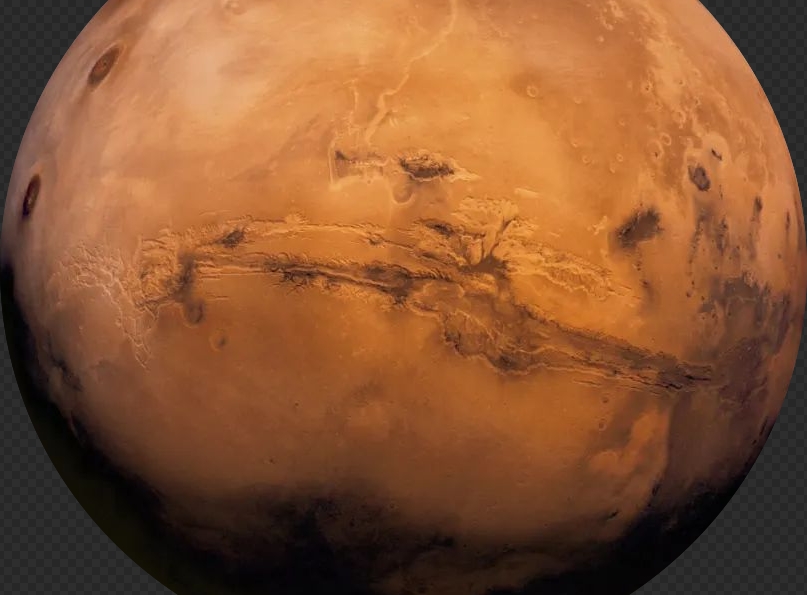
Chinese-led Team Uncovers 'Super-Earth' in Habitable Zone of Sun-like Star Using Novel TTV Technique
A Sino-German research team led by the Yunnan Observatory of the Chinese Academy of Sciences has discovered a "super-Earth" orbiting a Sun-like star, marking a breakthrough in exoplanet detection. Named Kepler-725c, the planet has a mass 10 times that of Earth and resides in the habitable zone of its host star, where liquid water—and potentially life—could exist. The findings, published June 3 in Nature Astronomy, represent the first use of transit timing variation (TTV) inversion to identify such a planet in a Sun-like star’s habitable zone .
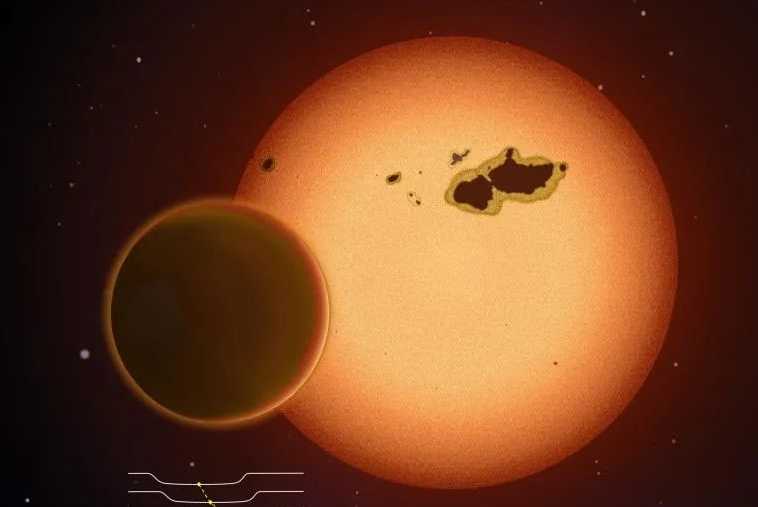
Ice Giants and Mini-Neptunes: The Solar System’s Elusive Planetary Enigmas
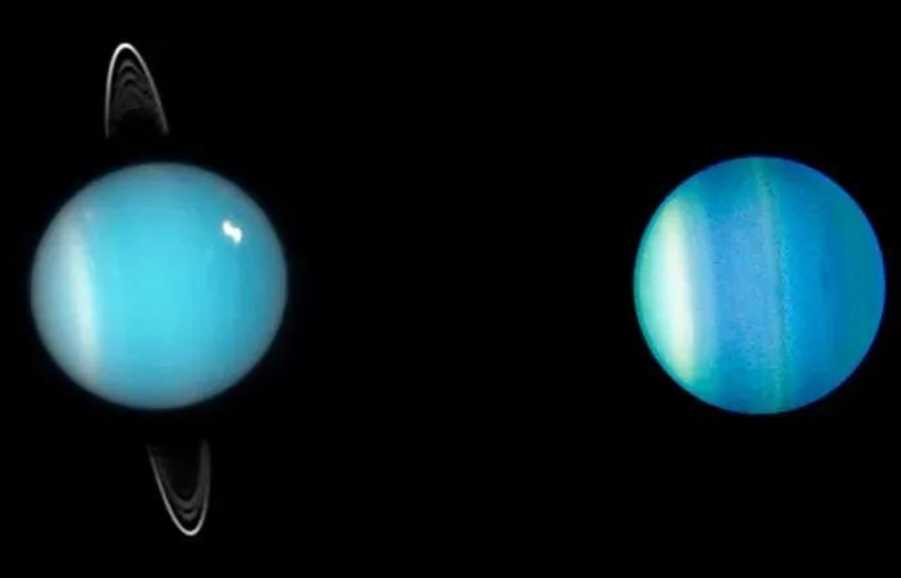
Ice giants like Uranus and Neptune, and smaller "mini-Neptunes" (larger than Earth but smaller than Neptune), represent a puzzling gap in our solar system knowledge. These worlds, with hydrogen-helium atmospheres and rocky cores, remain the least explored planetary class—despite comprising a dominant type in exoplanetary systems.
Stellar Nurseries and Cosmic Collisions: Webb and Rubin Telescopes Unveil Galactic Secrets
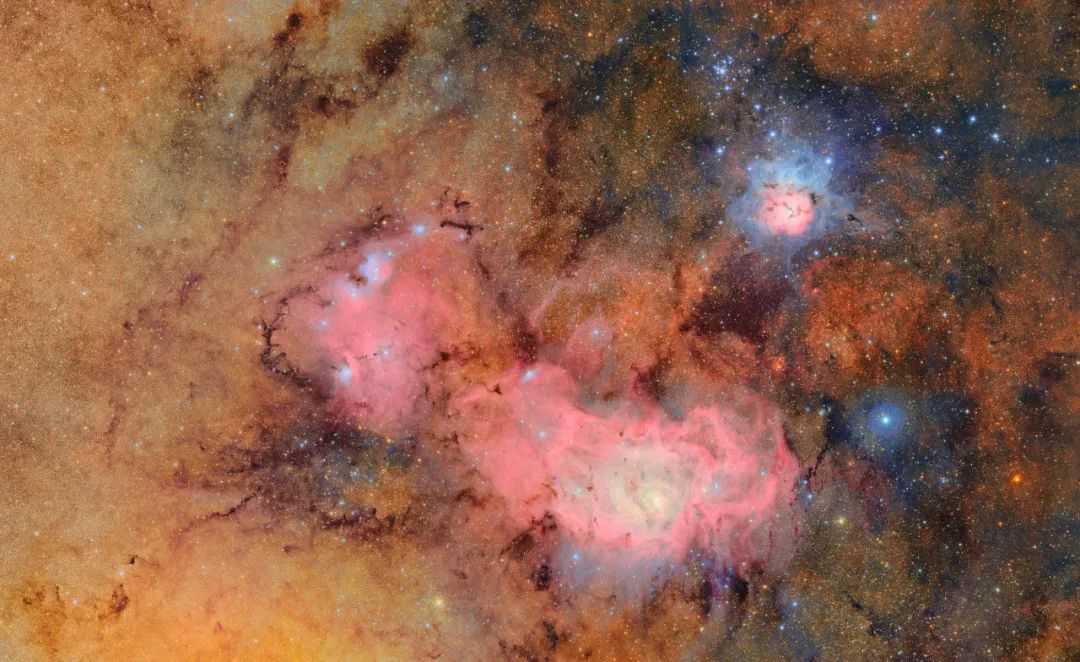
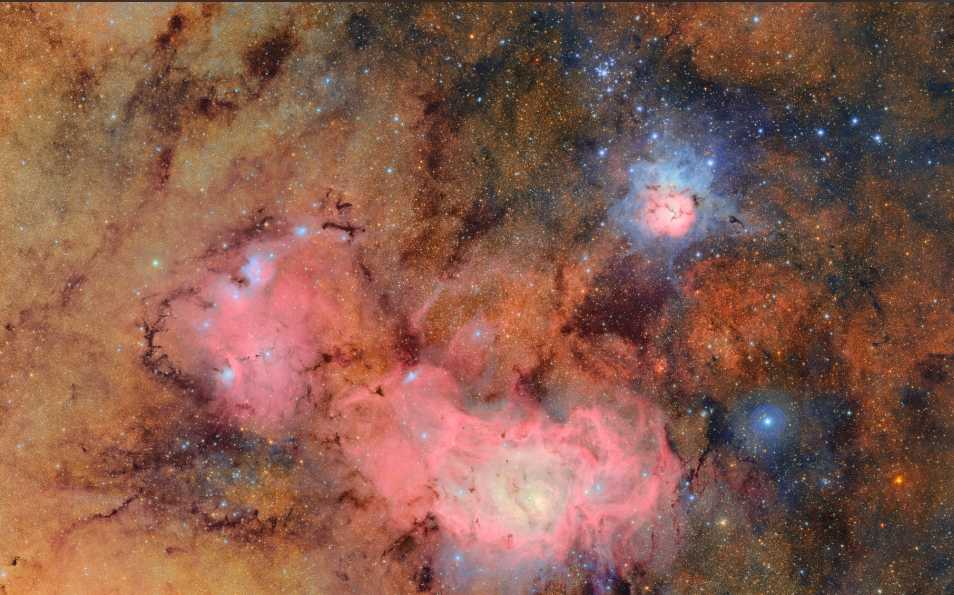
Astronomers have unveiled two groundbreaking images capturing the dynamic interplay of star formation and galaxy evolution. The first, a composite of the Trifid and Lagoon Nebulae, combines 678 individual exposures taken over just seven hours by the Vera C. Rubin Observatory’s 3.2-billion-pixel camera. This unprecedented resolution reveals intricate gas and dust structures in these stellar nurseries, where new stars are born from collapsing molecular clouds.
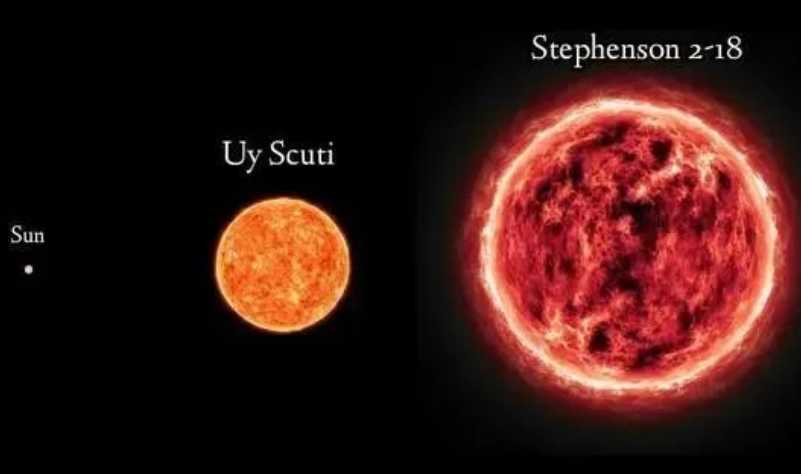
Stevenson 2-18: The Cosmic 'Puffball' Star That Could Swallow Saturn
Meet Stevenson 2-18, a star so colossal it’s earned the title of the universe’s "flabby giant." With a radius of 1.5 billion kilometers, this red supergiant would engulf Saturn if placed at the Sun’s position. Despite its eye-popping size, it packs only 15–20 times the Sun’s mass—making it a celestial "balloon" on the brink of a spectacular supernova explosion.
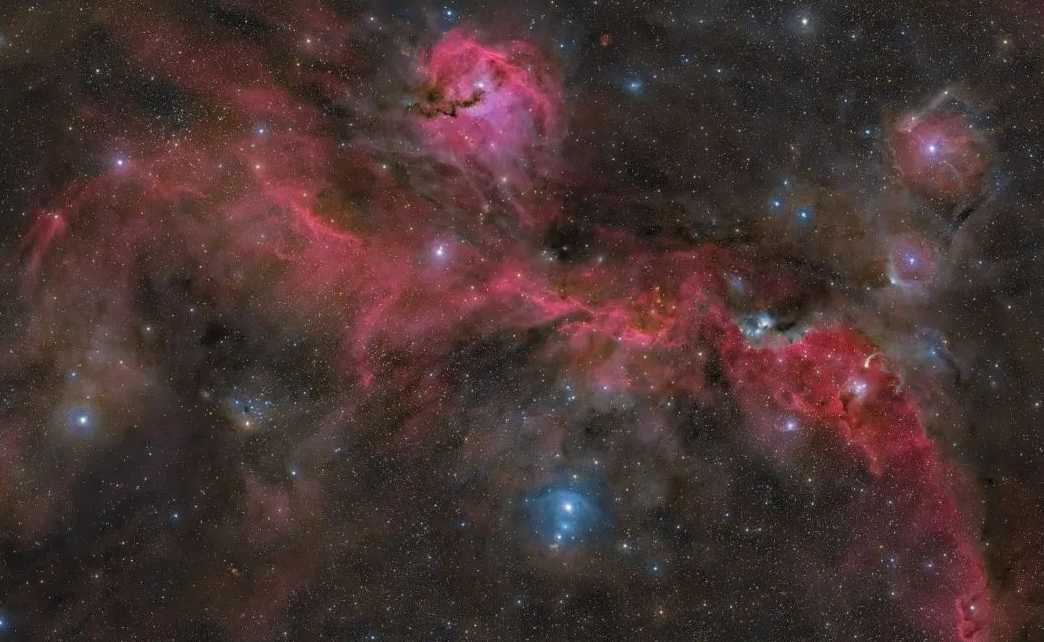
The Seagull Nebula: A Cosmic Avian Marvel in Canis Major
Shaped like a soaring bird from glowing gas and dark dust, the Seagull Nebula captivates stargazers with its celestial avian form. Spanning 3.5 degrees across the galactic plane in Canis Major, toward the star Sirius, this interstellar wonder combines emission nebulae, reflection nebulae, and dramatic shock structures—offering a window into violent stellar processes.
Vera C. Rubin Observatory Reveals Breathtaking Sagittarius Starfield Near Galactic Core
The Vera C. Rubin Observatory, a joint project of the NSF and DOE, has released one of its first images: a 4-degree-wide starfield spanning Sagittarius, showcasing the crowded stellar backdrop toward the Milky Way’s core. The snapshot captures iconic nebulae and clusters, including Messier 8 (the Lagoon Nebula) and Messier 20 (the Trifid Nebula), in stunning detail.
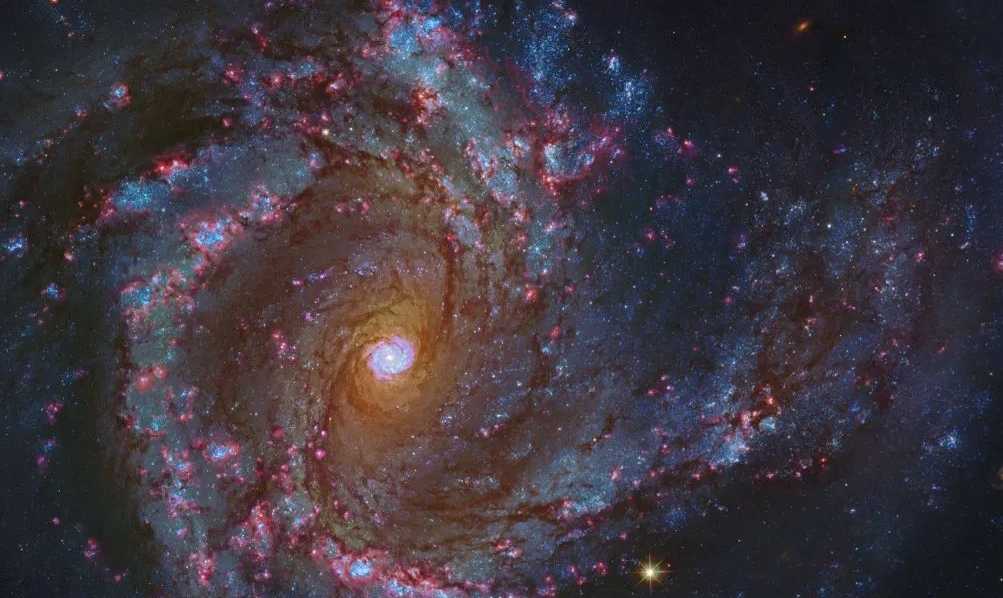
Does a Spiral Galaxy Hide a Mini-Spiral in Its Core? M61 Reveals Cosmic Nesting Dolls
The spiral galaxy Messier 61 (M61) defies expectations with a surprising feature: a swirling "mini-spiral" structure at its core. This composite image—combining data from the Hubble Space Telescope, ESO’s Very Large Telescope, and ground-based observatories—shows M61’s grand spiral arms and a vibrant core that resembles a standalone spiral galaxy. Located 55 million light-years away in the Virgo Cluster, this barred spiral (NGC 4303) exemplifies how galactic cores can host intricate substructures mirroring their larger forms.
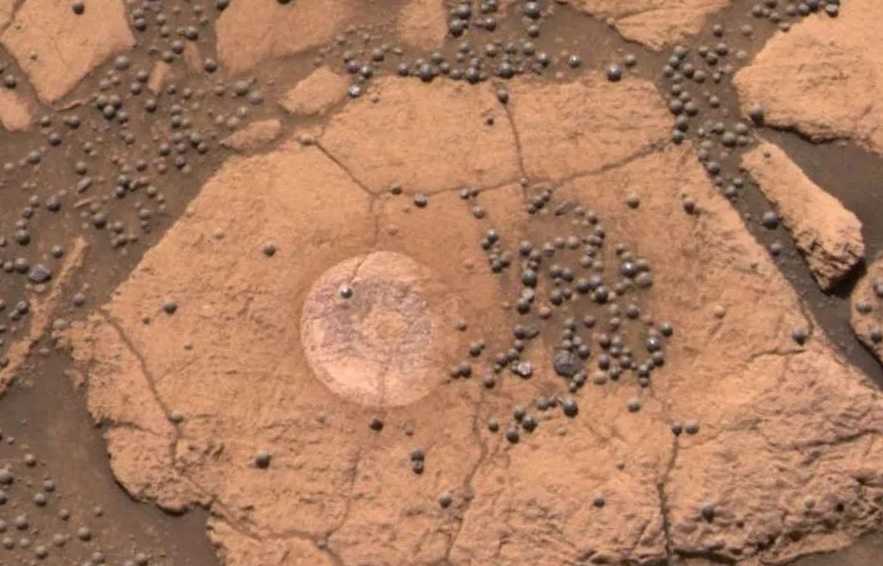
Mars' Mysterious 'Blueberries': How Did These Iron-Rich Spheres Form?
In 2004, NASA's Opportunity rover discovered thousands of gray, iron-rich spheres on Mars, nicknamed "blueberries." These 4-mm-wide balls littered rocks near the landing site, puzzling scientists until the rover found a depression—dubbed the "Berry Bowl"—packed with the spheres, captured on the 48th Martian day of the mission.