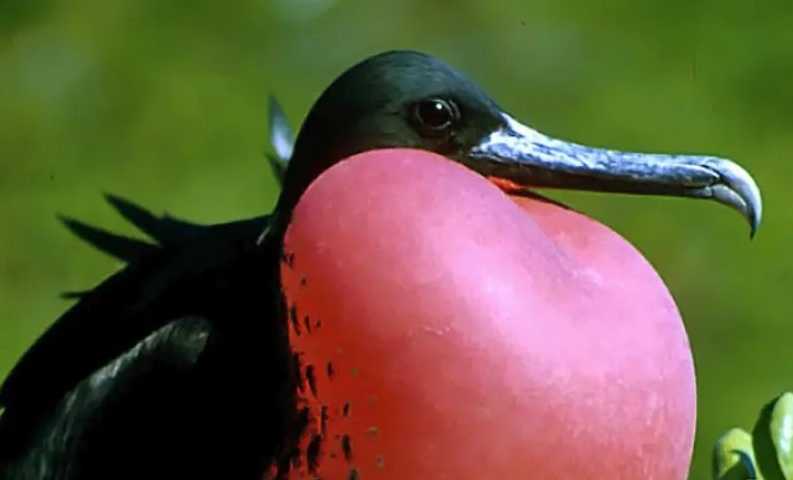
The Resplendent Quetzal: Mesoamerica’s Emerald Avian Deity and Symbol of Freedom
Scientifically named Pharomachrus mocinno, this trogon is endemic to Central American rainforests, measuring 35 cm in length and feasting on insects and fruits. Its cultural significance rivals its biological splendor: in ancient Maya civilization, it was revered as the incarnation of the feathered serpent god Quetzalcoatl, with its emerald plumage reserved exclusively for royalty. Today, it serves as Guatemala’s national bird, embodying freedom and divinity.
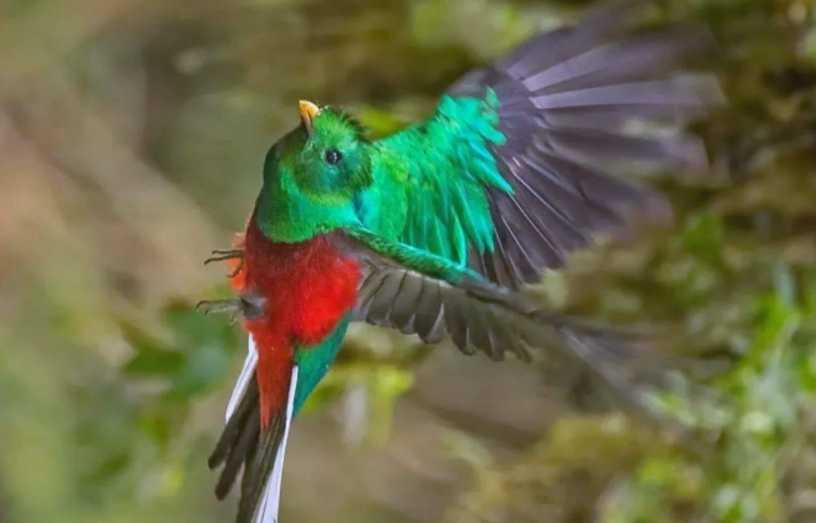
Ceyx pictus: The Diminutive African Pygmy Kingfisher of Sub-Saharan Wetlands
Ceyx pictus, the African pygmy kingfisher, is a tiny yet vibrant jewel of the avian world, captivating observers with its striking colors and elusive nature. Endemic to the forested wetlands of Sub-Saharan Africa, this small member of the Alcedinidae family plays a crucial role in the delicate ecosystems it inhabits, despite its unassuming size.
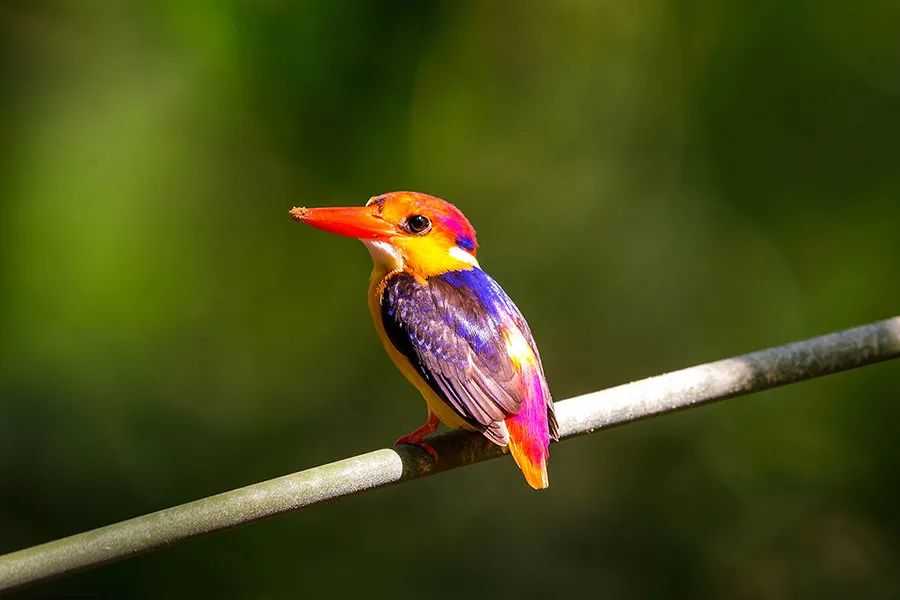
The Golden Pheasant: China’s Living Phoenix and Avian Emblem of Royalty
Scientifically named Chrysolophus pictus, this iconic pheasant is endemic to China’s central and western mountain ranges, measuring 80 cm in length and feeding on plant seeds and insects. A national second-class protected animal, it’s long been hailed as the real-world inspiration for the mythical phoenix—an association that elevated it to imperial status in ancient China.
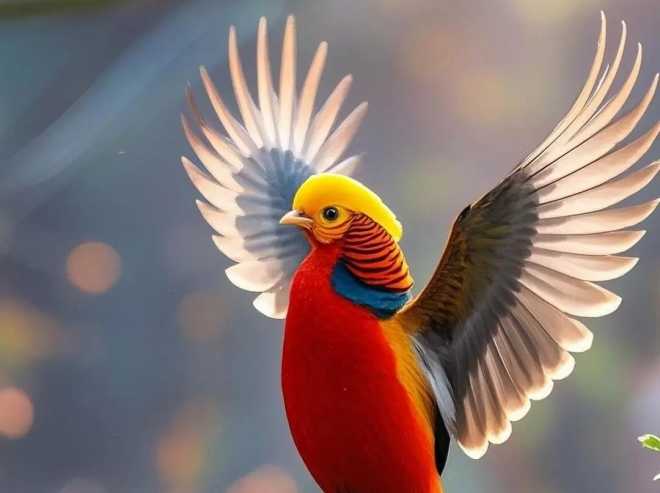
The American Flamingo: Nature’s Most Vibrant Scarlet Wonder
Scientifically named Phoenicopterus ruber, this stork-like wading bird measures 56–61 cm, inhabiting coastal wetlands, mangroves, and marshes across northern South America. Feeding on crabs and small fish, it boasts a wild lifespan of 15 years—reaching 20 in captivity. As the national bird of Trinidad and Tobago, it earns its fame from a singular trait: every feather, down to its legs, blazes in nature’s most intense scarlet, a hue so vivid it’s dubbed the "world’s reddest bird."
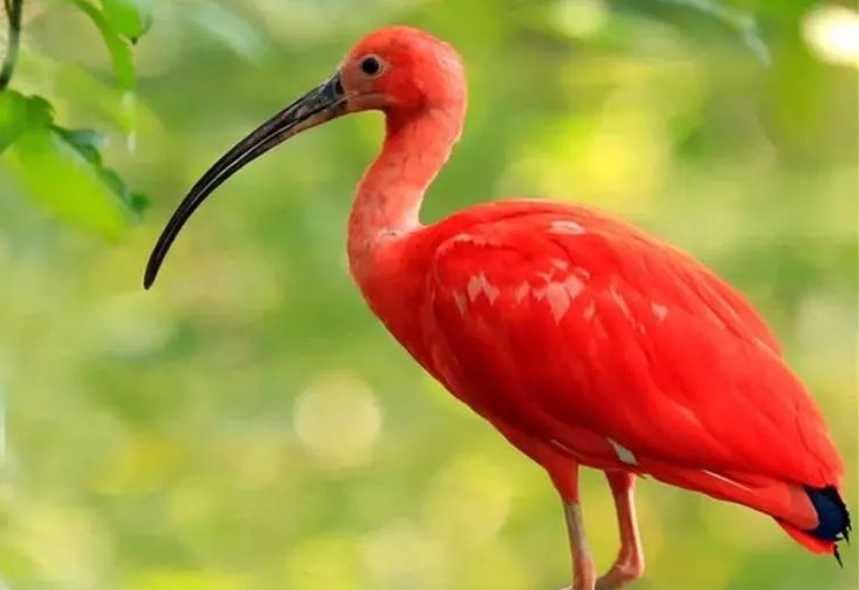
Wilson's Bird-of-Paradise: New Guinea’s Living Masterpiece of Avian Artistry
Scientifically named Diphyllodes respublica, this diminutive bird-of-paradise inhabits New Guinea’s rainforests, measuring around 20 cm and feasting on fruits and insects. Hailed as one of the world’s most beautiful birds, its compact form is a canvas of nature’s boldest palette: emerald green, sunshine yellow, jet black, snow white, and vivid blue, seamlessly blended in an evolutionary tour de force.
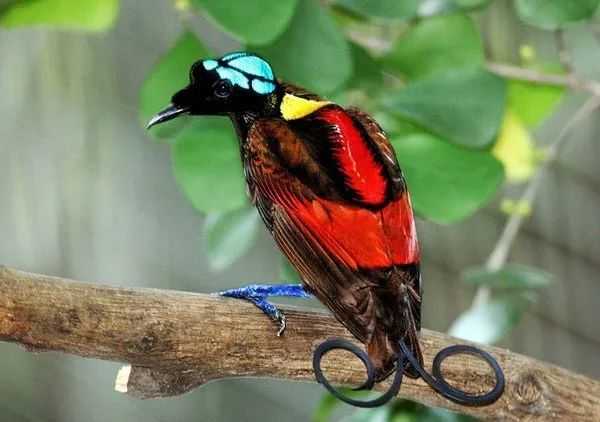
The Gouldian Finch: Australia’s Jeweled Songbird and Victorian Status Symbol
Scientifically named Chloebia gouldiae, this 12-cm passerine native to Australia’s savannas feasts on grass seeds and insects. Though wild populations now number fewer than 2,500, its dazzling plumage has made it a globally cherished ornamental bird, with captive-bred varieties outnumbering their wild counterparts.
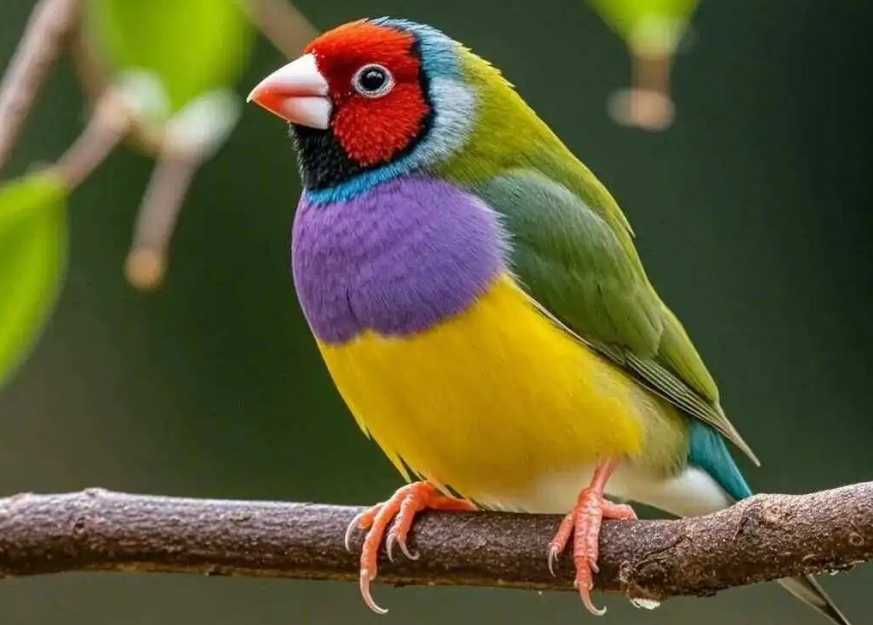
The Dracula Parrot: New Guinea’s Mysterious Avian Noble in Gothic Attire
Scientifically named Psittrichas fulgidus, this medium-sized parrot inhabits the mountainous regions of New Guinea, measuring around 35 cm and feasting on nuts and fruits. True to its enigmatic moniker, the Dracula parrot lives up to its mysterious aura: cloaked in jet-black plumage, it sports vivid blood-red patches on its chest, belly, and forewings, creating a striking contrast that evokes the regal yet ominous figure of literary vampires. This gothic aesthetic inspired its name, a nod to Bram Stoker’s iconic Count Dracula.
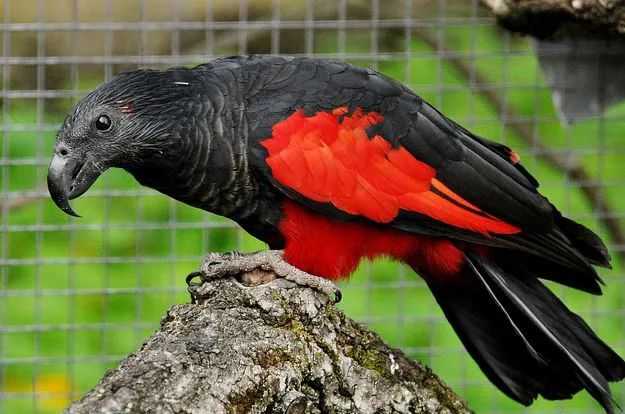
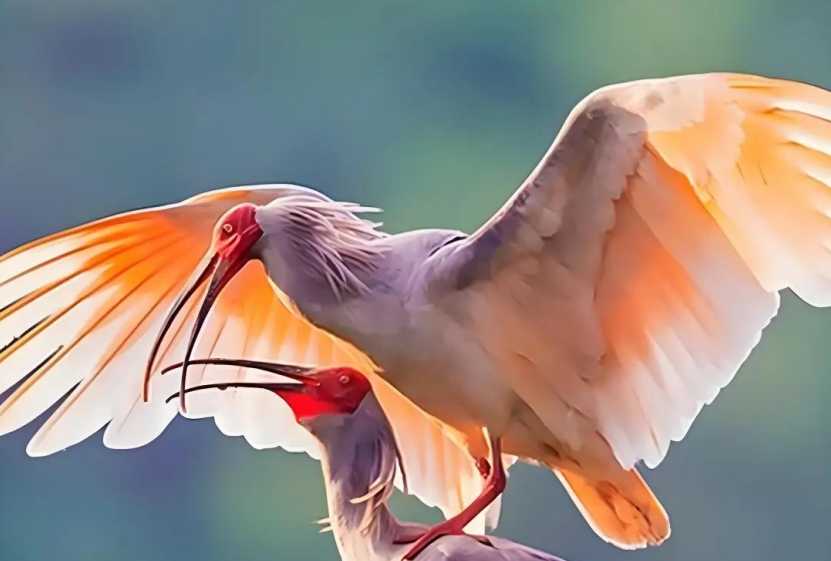
The Crested Ibis: East Asia’s Enigmatic 'Oriental Jewel' and Symbol of Survival
Scientifically named Nipponia nippon, this rare wading bird measures around 80 cm, inhabiting wetland ecosystems and feasting on fish and shrimp. Once widespread across East Asia, it now clings to survival primarily in Yangxian County, Shaanxi Province, China, classified as a national first-class protected animal. Hailed as the "Oriental Jewel," its cultural significance spans millennia: ancient Chinese poets praised its "red jade-feathered plumes," while Japan’s imperial family revered it as the sacred "Peach Blossom Bird," now symbolizing Sino-Japanese friendship.