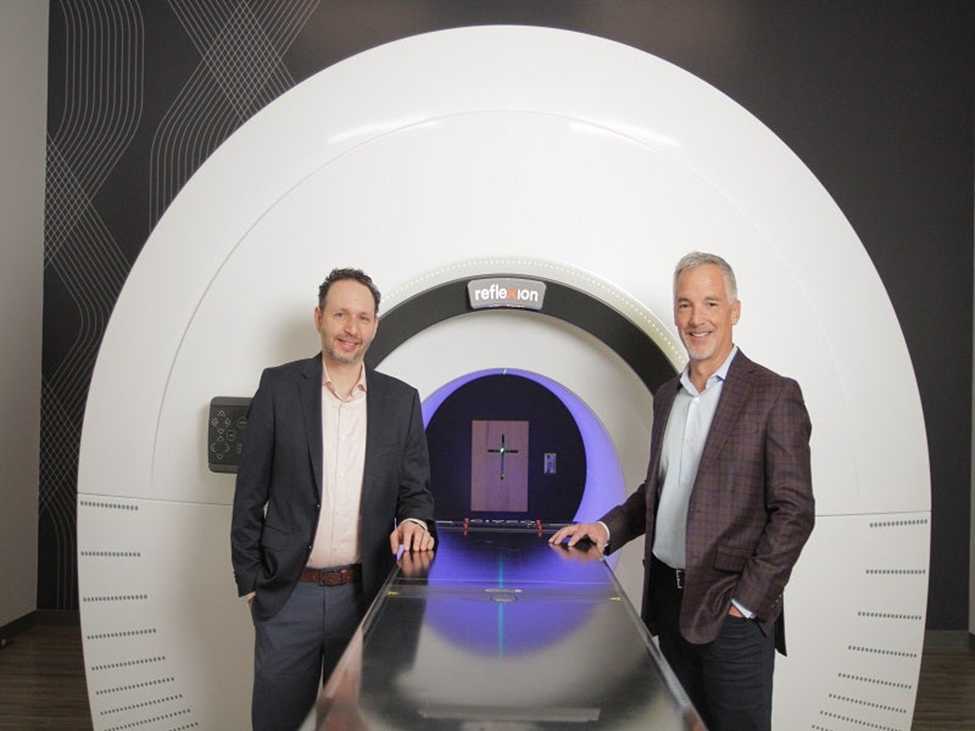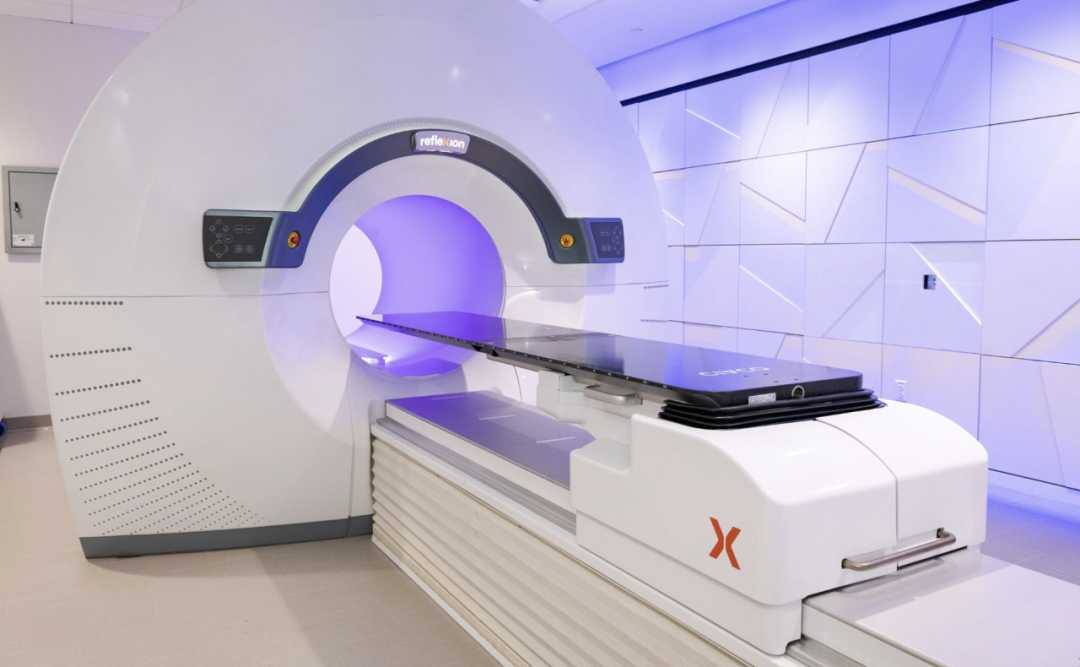
Cancer radiotherapy has long been regarded as one of the most harrowing experiences for patients, often accompanied by a range of adverse side effects such as dizziness, nausea, hair loss, fatigue, poor appetite, and depression. However, the long - standing paradigm of radiation treatment has finally been disrupted.
Source: Images from the Internet, if there is any infringement, please contact the removal of
On February 6, City of Hope, a renowned cancer treatment center in the United States, announced with excitement that it had successfully treated its first patient using the RefleXion® X1 device and SCINTIX Biologically - Guided Radiotherapy (BgRT).
Dr. Sagus Sampath, a radiation oncologist and Medical Director of the Radiation Oncology Department at City of Hope's Duarte campus, explained that the patient was initially diagnosed with lung cancer, with the primary tumor located in the left lung and a metastatic lesion in the left femur. After confirming that the patient met the treatment criteria for SCINTIX technology, radiation therapy was administered.
Source: Images from the Internet, if there is any infringement, please contact the removal of
The patient's treatment outcome was remarkable. Soon after the radiotherapy, he was able to return to the ward for chemotherapy. The concurrent administration of radiotherapy and chemotherapy aimed to eliminate the cancer as quickly as possible.
So, what exactly is this new type of radiotherapy?
Traditional radiotherapy uses photons, which concentrate energy on the targeted tumor along the beam path. However, this also means that healthy tissues surrounding the tumor are at risk of radiation damage, leading to long - term side effects. It's like throwing a hand grenade at the tumor - while the target is destroyed, the surrounding area also suffers collateral damage.
For a long time, experts have been seeking a method that can kill cancer cells while minimizing patient suffering. Against this backdrop, the RefleXion® X1 was developed.
Source: Images from the Internet, if there is any infringement, please contact the removal of
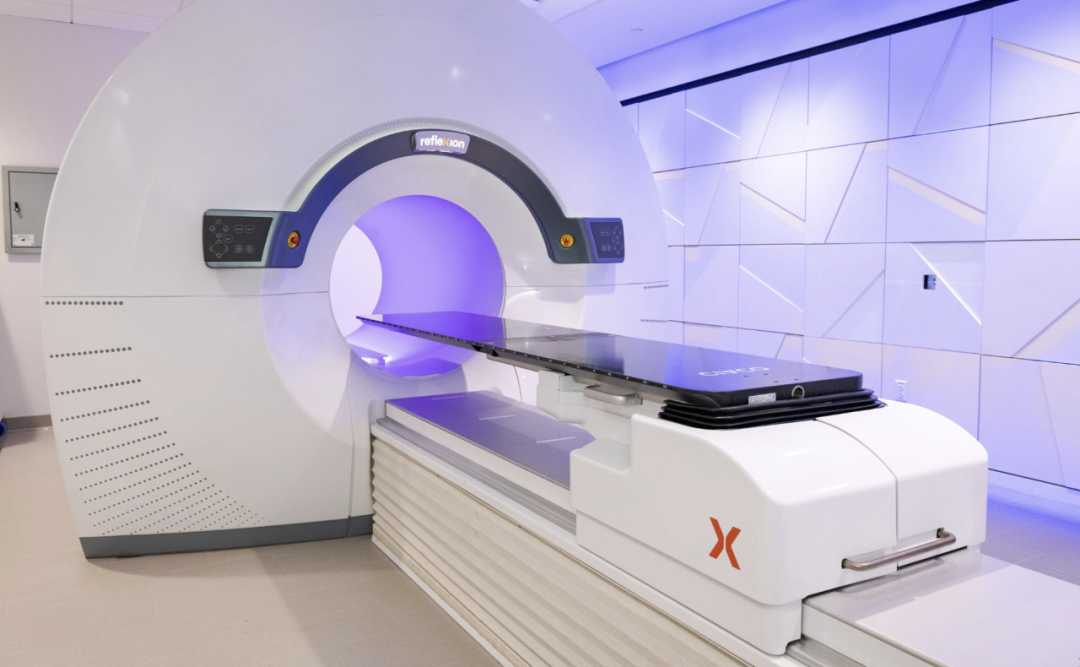
The RefleXion® X1 is a specialized device for cancer treatment, incorporating multiple innovative technologies. It is the first platform to use biomarker emissions to guide radiotherapy. Experts use the SCINTIX therapy on this machine to treat patients.
SCINTIX radiotherapy is a method that uses drugs labeled with radioactive isotopes to treat cancer. The drug is injected into the patient's body and then reaches the tumor site through the bloodstream. The radioactive isotopes emit rays that kill tumor cells. As the most cutting - edge radioactive drug - guided therapy, it is applicable to various types of cancer and has been hailed as the "precision sniper" in the field of radiotherapy.
The combination of the most advanced radiotherapy equipment and the latest radiotherapy method marks a significant departure from previous treatment models. "Autonomous radiotherapy was just a concept more than a decade ago, but now, for the first time in the history of cancer treatment, the cancer itself is guiding its own destruction," said the founder and Chief Technology Officer of RefleXion.