
Exploring German Cuisine: Three Traditional Dishes That Surprise Foreigners


Life News
Exploring German Cuisine: Three Traditional Dishes That Surprise Foreigners

Germany's culinary heritage is rich with unique and flavorful dishes, but not all of them appeal to every palate. For many foreigners, especially those unaccustomed to certain ingredients or preparation methods, some traditional German foods can be a visual and cultural challenge. Here are three classic German dishes that often leave international visitors both curious and hesitant:

1. Mett – Raw Minced Pork


Source: Images from the Internet, if there is any infringement, please contact the removal of
 
 
Mett is a dish consisting of raw minced pork, typically spread on bread and seasoned with onions and spices, enjoyed as a breakfast or snack in Germany. While beloved by locals as a delicacy, its appearance often "deters" foreigners unaccustomed to eating raw meat.
Why It Sparks Dread: Concerns about food hygiene and the visual impact of pink raw meat make many foreigners hesitant, particularly tourists from Asia or the Americas.
Foreign Reactions: "Is this really safe to eat directly? Isn’t this just the minced meat raw material from the butcher shop?"

2. Blutwurst – Blood Sausage


Source: Images from the Internet, if there is any infringement, please contact the removal of


Blutwurst is a black sausage made from pig’s blood, fat, and grains, typically fried or boiled and served with a soft, tender texture.
Why It Sparks Dread: The use of pig’s blood as a primary ingredient is psychologically challenging for many foreigners, especially in cultures where blood-based foods are stigmatized. Its dark appearance also contributes to its intimidating reputation.
Foreign Reactions: "This looks like a prop from a horror movie. Are we sure it’s edible?"
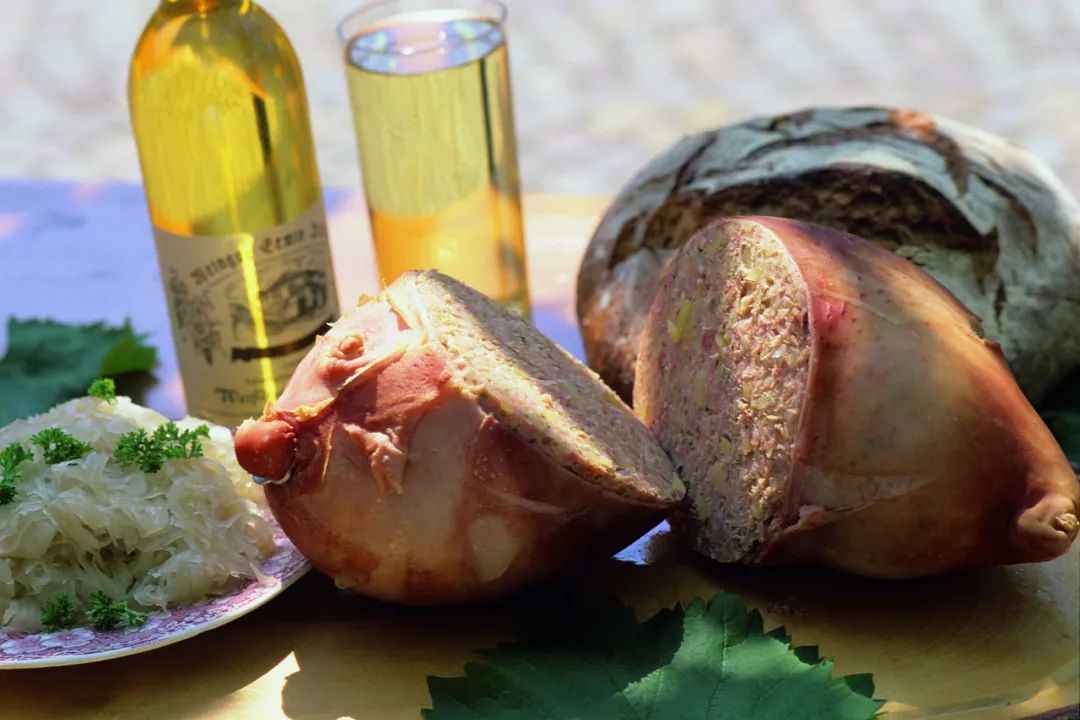
3. Saumagen – Stuffed Pig Stomach


Source: Images from the Internet, if there is any infringement, please contact the removal of


A specialty of the Rhineland-Palatinate region, Saumagen is made by stuffing a pig stomach with sausage meat, potatoes, and spices, then cooking and slicing it.
Why It Sparks Dread: The concept of using a pig stomach as a container is bold for foreigners, who may be put off by the (odor) and texture of offal.
Foreign Reactions: "Eating a stomach? Doesn’t the stuff inside feel like it’s already been ‘processed’ once?"


These dishes highlight the fascinating cultural diversity in food preferences. While they may surprise or even challenge foreign tastes, they remain cherished parts of Germany’s culinary identity, reflecting regional traditions and historical cooking practices. For adventurous eaters, they offer a unique window into the heart of German culture – though newcomers might want to approach them with an open mind (and perhaps a small first bite).


Note: This article is for cultural exchange purposes and does not reflect a judgment on any culinary tradition.

Latest Stories
Bird Information1 minute readEndemic to New Guinea, the greater bird of paradise (Paradisaea apoda) belongs to the Paradisaeidae family, feasting on fruits and insects. So extraordinary is its beauty that 19th-century European naturalists doubted its existence, suspecting its vividly plumed specimens were fraudulent "mythical creatures."
Health News1 minute readSwitzerland has claimed the top spot in the latest European Health Consumer Index, solidifying its reputation as a leader in healthcare excellence across the continent.
Beauty News1 minute readMadrid-born freelance model Clara López, 27, has gained viral attention with a set of candid life photos captured across Barcelona’s cobblestone streets. The unposed series, shot by photographer friend Lucas Martínez, highlights López’s effortless elegance in everyday moments—from sipping coffee at a sidewalk café to browsing a vintage bookstore. Her 175cm frame, dressed in high-waisted jeans and oversized knit sweaters, blends seamlessly with the city’s bohemian vibe.
Travel News2 minute readNestled in the Vosges Mountains of Haute-Saône, France, the Plateau des Mille Etangs (Thousand Ponds Plateau) is emerging as a top destination for discerning hikers. Shaped by glaciers and human history, this 220 km² region boasts a surreal landscape of lakes, forests, and peat bogs, earning it the nickname "Little Finland" .
Health News1 minute readNestled in a sheltered bay on the eastern shore of Lake Geneva in Switzerland’s Vaud canton, the town of Montreux is framed by the snow-capped Alps, boasting breathtaking scenery. Long celebrated as a wellness retreat with a mild, pleasant climate, it covers 41 square kilometers and is home to around 23,000 residents—an idyllic small town known globally as a "mecca for beauty" and "capital of medical wellness."
Travel News2 minute readPerched on the banks of the Moselle River in Lorraine, France, the Cathédrale Saint-Étienne de Metz stands as a testament to Gothic grandeur and artistic innovation. With 6,500 square meters of stained glass—the largest expanse in France—it has earned the nickname “Lanterne du Bon Dieu” (God’s Lantern), captivating visitors with its ethereal glow and architectural brilliance.
Industry News1 minute readForeign media reported on July 15 that the European Commission has formally withdrawn its plan to impose a digital tax on major tech companies during the latest budget negotiations. The decision is seen as a key compromise in EU-U.S. trade talks, temporarily relieving U.S. tech giants like Apple and Meta from heavy tax pressures, while the EU paves the way for broader trade agreements by adjusting its fiscal strategy.