M27, the Dumbbell Nebula: A Stellar Remnant in Vulpecula


Astro Information
M27, the Dumbbell Nebula: A Stellar Remnant in Vulpecula

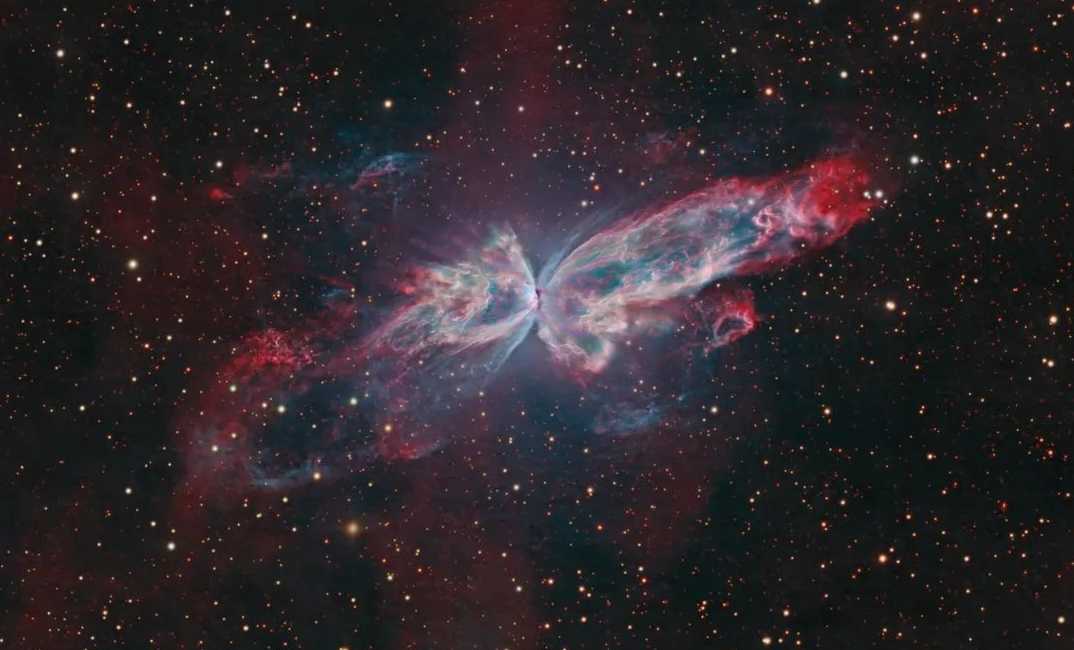
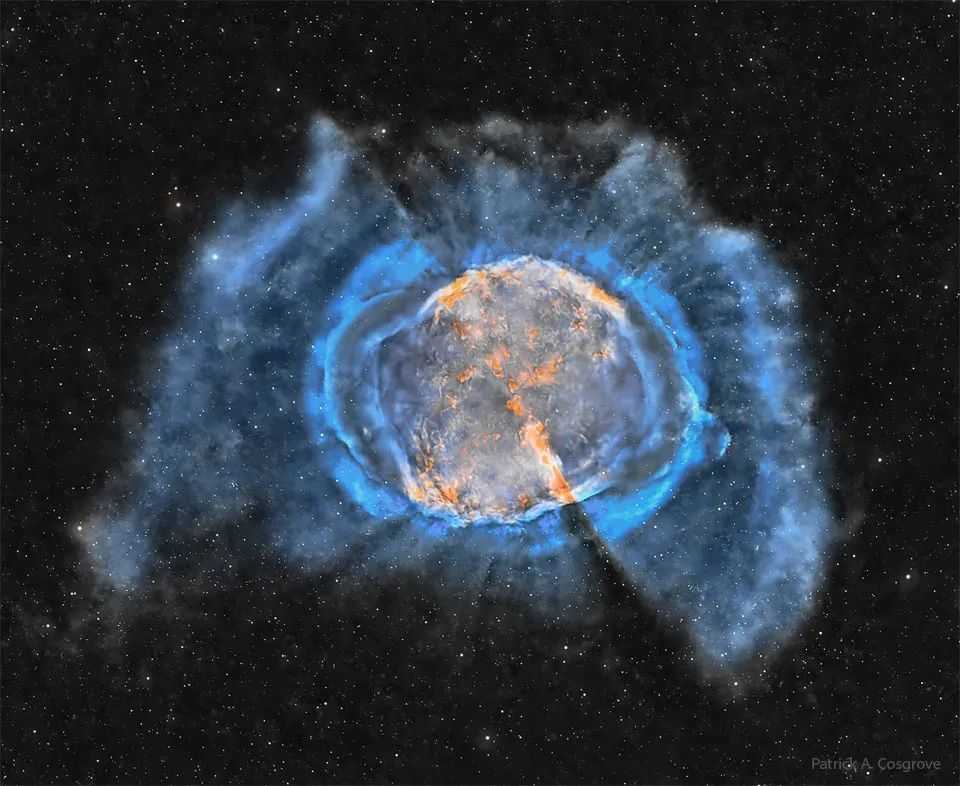
The M27 Dumbbell Nebula shines as a prominent celestial spectacle in the summer night sky, nestled in the constellation Vulpecula. Situated roughly at the midpoint between the bright stars Altair (in Aquila) and Deneb (in Cygnus), this iconic nebula is a testament to the life cycle of stars, offering a vivid glimpse into the final stages of a sun-like star’s existence.

Discovered in 1764 by French astronomer Charles Messier, M27 is a classic example of a planetary nebula, formed when a low- to medium-mass star (similar to the Sun) sheds its outer layers during the late stages of its life. The nebula’s name derives from its distinctive hourglass or dumbbell shape, visible through telescopes as a faint, glowing disk with brighter central and outer regions. This structure arises from the star’s expelled gas being ionized by the hot, dense stellar core—now a white dwarf—at its center. The white dwarf, with a surface temperature exceeding 30,000 Kelvin, emits intense ultraviolet radiation that causes the surrounding gas to fluoresce in hues of blue, green, and red, primarily from ionized hydrogen, oxygen, and nitrogen.


With an apparent magnitude of 7.5, M27 is observable with binoculars in dark skies and appears stunning in long-exposure astrophotographs, where its intricate filaments and asymmetrical lobes are revealed in striking detail. Its location in the northern summer sky, combined with its unique morphology, makes it a popular target for amateur astronomers and a key subject in stellar evolution research. Planetary nebulae like M27 are crucial to understanding how stars recycle material back into the interstellar medium: the gas and dust expelled during this phase enrich the galaxy, providing the building blocks for future generations of stars and planets. As a bridge between stellar death and cosmic renewal, the Dumbbell Nebula reminds us of the universe’s continuous cycle—a fleeting yet beautiful display of destruction and rebirth written in the language of light and gas.

Latest Stories
Bird Information1 minute readEndemic to New Guinea, the greater bird of paradise (Paradisaea apoda) belongs to the Paradisaeidae family, feasting on fruits and insects. So extraordinary is its beauty that 19th-century European naturalists doubted its existence, suspecting its vividly plumed specimens were fraudulent "mythical creatures."
Health News1 minute readSwitzerland has claimed the top spot in the latest European Health Consumer Index, solidifying its reputation as a leader in healthcare excellence across the continent.
Beauty News1 minute readMadrid-born freelance model Clara López, 27, has gained viral attention with a set of candid life photos captured across Barcelona’s cobblestone streets. The unposed series, shot by photographer friend Lucas Martínez, highlights López’s effortless elegance in everyday moments—from sipping coffee at a sidewalk café to browsing a vintage bookstore. Her 175cm frame, dressed in high-waisted jeans and oversized knit sweaters, blends seamlessly with the city’s bohemian vibe.
Travel News2 minute readNestled in the Vosges Mountains of Haute-Saône, France, the Plateau des Mille Etangs (Thousand Ponds Plateau) is emerging as a top destination for discerning hikers. Shaped by glaciers and human history, this 220 km² region boasts a surreal landscape of lakes, forests, and peat bogs, earning it the nickname "Little Finland" .
Health News1 minute readNestled in a sheltered bay on the eastern shore of Lake Geneva in Switzerland’s Vaud canton, the town of Montreux is framed by the snow-capped Alps, boasting breathtaking scenery. Long celebrated as a wellness retreat with a mild, pleasant climate, it covers 41 square kilometers and is home to around 23,000 residents—an idyllic small town known globally as a "mecca for beauty" and "capital of medical wellness."
Travel News2 minute readPerched on the banks of the Moselle River in Lorraine, France, the Cathédrale Saint-Étienne de Metz stands as a testament to Gothic grandeur and artistic innovation. With 6,500 square meters of stained glass—the largest expanse in France—it has earned the nickname “Lanterne du Bon Dieu” (God’s Lantern), captivating visitors with its ethereal glow and architectural brilliance.
Industry News1 minute readForeign media reported on July 15 that the European Commission has formally withdrawn its plan to impose a digital tax on major tech companies during the latest budget negotiations. The decision is seen as a key compromise in EU-U.S. trade talks, temporarily relieving U.S. tech giants like Apple and Meta from heavy tax pressures, while the EU paves the way for broader trade agreements by adjusting its fiscal strategy.