The Widespread House Sparrow: A Familiar Avian Companion


Bird Information
The Widespread House Sparrow: A Familiar Avian Companion

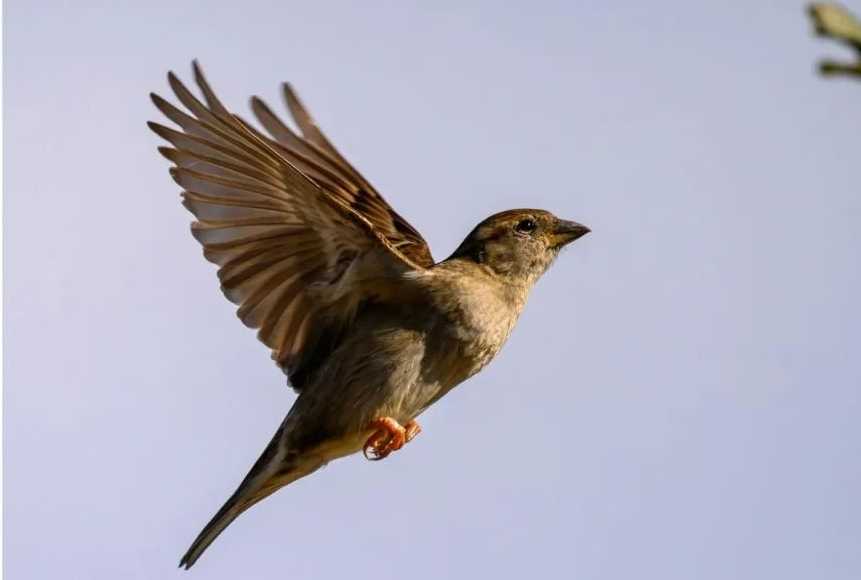
The House Sparrow (Passer domesticus) is a bird species that has become an integral part of human - inhabited landscapes across the globe. This small, adaptable bird has a unique charm and an interesting ecological story to tell.


Measuring around 14 - 16 centimeters in length, House Sparrows exhibit sexual dimorphism. Breeding males are quite striking, sporting a gray crown, white cheeks, a prominent black bib, and a chestnut - colored neck. Their upper parts are richly patterned with chestnut and black, creating a distinct look. In contrast, females are more subdued, with plain buffy - brown plumage overall. Their under parts are dingy gray - brown, and their backs are noticeably striped with buff, black, and brown. This coloration helps them blend into their often - urban and suburban surroundings.


Native to Europe, the Mediterranean basin, and much of Asia, House Sparrows have spread far and wide. They have been introduced, either intentionally or accidentally, to regions like Australasia, Africa, and the Americas. This has made them one of the most widely distributed wild bird species. They thrive in urban and rural settings, closely associating with human habitation. You can spot them in cities, hopping around on sidewalks, scavenging for crumbs in parks, or nesting in the eaves of buildings. In rural areas, they are often found near barns, stables, and storehouses, feasting on waste grain and weed seeds. Despite their adaptability, they typically avoid extensive woodlands, grasslands, polar regions, and remote hot deserts.


These sparrows are highly social, often seen in flocks. They have a pecking order within their groups, with males having a distinct hierarchy. The size of a male's black throat patch, or "bib," is an indicator of its status; larger patches usually belong to older, more dominant males. House Sparrows are omnivores, with a diet mainly consisting of seeds, such as those from grains, flowering plants, and weeds. However, during the breeding season, they also consume insects and their larvae to provide essential protein. They are frequent visitors to bird feeders, readily eating millet, corn, and sunflower seeds. Aggressive by nature, they can sometimes evict native birds from their nest sites, which has led to some resentment among bird enthusiasts. But overall, their presence adds a touch of liveliness to our daily lives, whether it's their constant chirping or their energetic foraging antics.

Latest Stories
Bird Information1 minute readEndemic to New Guinea, the greater bird of paradise (Paradisaea apoda) belongs to the Paradisaeidae family, feasting on fruits and insects. So extraordinary is its beauty that 19th-century European naturalists doubted its existence, suspecting its vividly plumed specimens were fraudulent "mythical creatures."
Health News1 minute readSwitzerland has claimed the top spot in the latest European Health Consumer Index, solidifying its reputation as a leader in healthcare excellence across the continent.
Beauty News1 minute readMadrid-born freelance model Clara López, 27, has gained viral attention with a set of candid life photos captured across Barcelona’s cobblestone streets. The unposed series, shot by photographer friend Lucas Martínez, highlights López’s effortless elegance in everyday moments—from sipping coffee at a sidewalk café to browsing a vintage bookstore. Her 175cm frame, dressed in high-waisted jeans and oversized knit sweaters, blends seamlessly with the city’s bohemian vibe.
Travel News2 minute readNestled in the Vosges Mountains of Haute-Saône, France, the Plateau des Mille Etangs (Thousand Ponds Plateau) is emerging as a top destination for discerning hikers. Shaped by glaciers and human history, this 220 km² region boasts a surreal landscape of lakes, forests, and peat bogs, earning it the nickname "Little Finland" .
Health News1 minute readNestled in a sheltered bay on the eastern shore of Lake Geneva in Switzerland’s Vaud canton, the town of Montreux is framed by the snow-capped Alps, boasting breathtaking scenery. Long celebrated as a wellness retreat with a mild, pleasant climate, it covers 41 square kilometers and is home to around 23,000 residents—an idyllic small town known globally as a "mecca for beauty" and "capital of medical wellness."
Travel News2 minute readPerched on the banks of the Moselle River in Lorraine, France, the Cathédrale Saint-Étienne de Metz stands as a testament to Gothic grandeur and artistic innovation. With 6,500 square meters of stained glass—the largest expanse in France—it has earned the nickname “Lanterne du Bon Dieu” (God’s Lantern), captivating visitors with its ethereal glow and architectural brilliance.
Industry News1 minute readForeign media reported on July 15 that the European Commission has formally withdrawn its plan to impose a digital tax on major tech companies during the latest budget negotiations. The decision is seen as a key compromise in EU-U.S. trade talks, temporarily relieving U.S. tech giants like Apple and Meta from heavy tax pressures, while the EU paves the way for broader trade agreements by adjusting its fiscal strategy.