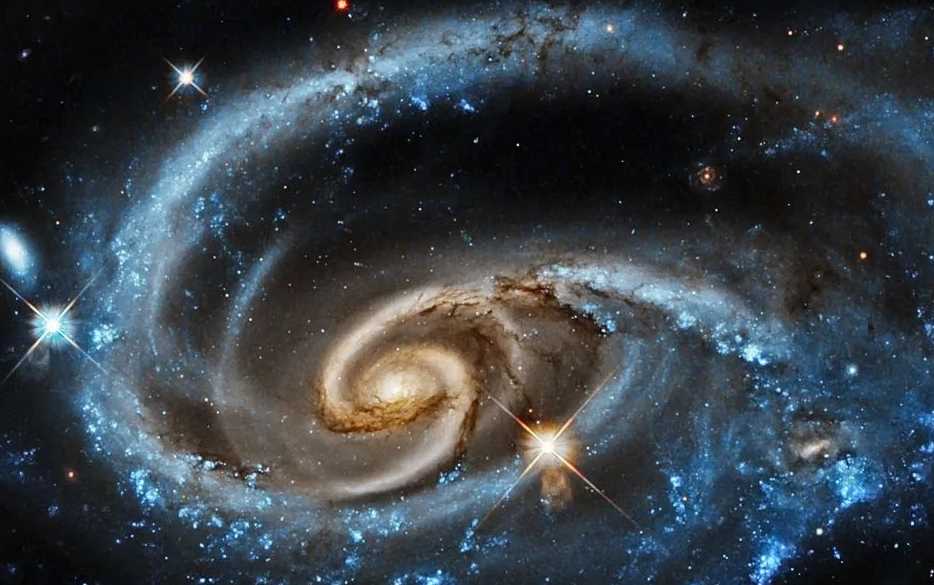
Sextans A: The Cosmic Underdog Where Stars Bloom in Ambery Clusters
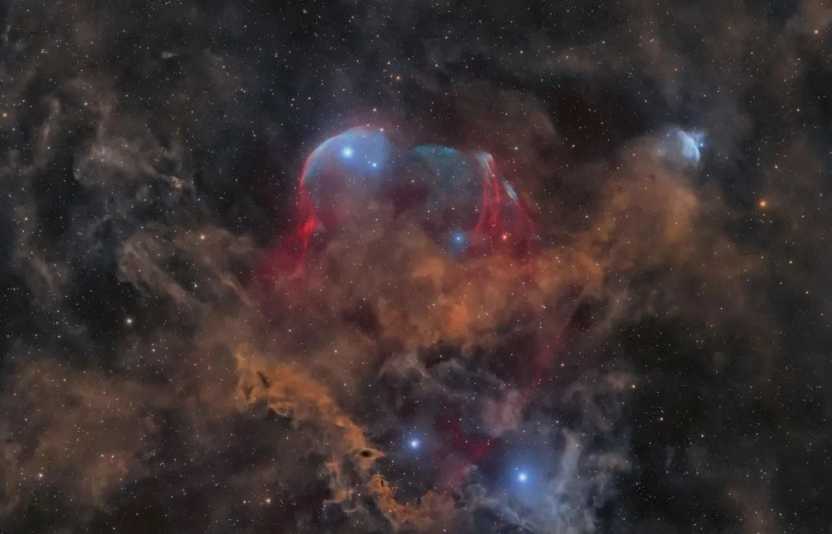
While grand spiral galaxies steal the limelight with symmetric arms and glowing star nurseries, the irregular dwarf galaxy Sextans A weaves its own stellar saga in the cosmic periphery. Just 5,000 light-years across, this galaxy hosts young star clusters and star-forming regions like amber-like clumps suspended in space, blooming 4.5 million light-years away in the constellation Sextans. As a sentinel on the Local Group’s fringe, it stands distant from the galactic family including the Andromeda Galaxy and the Milky Way.
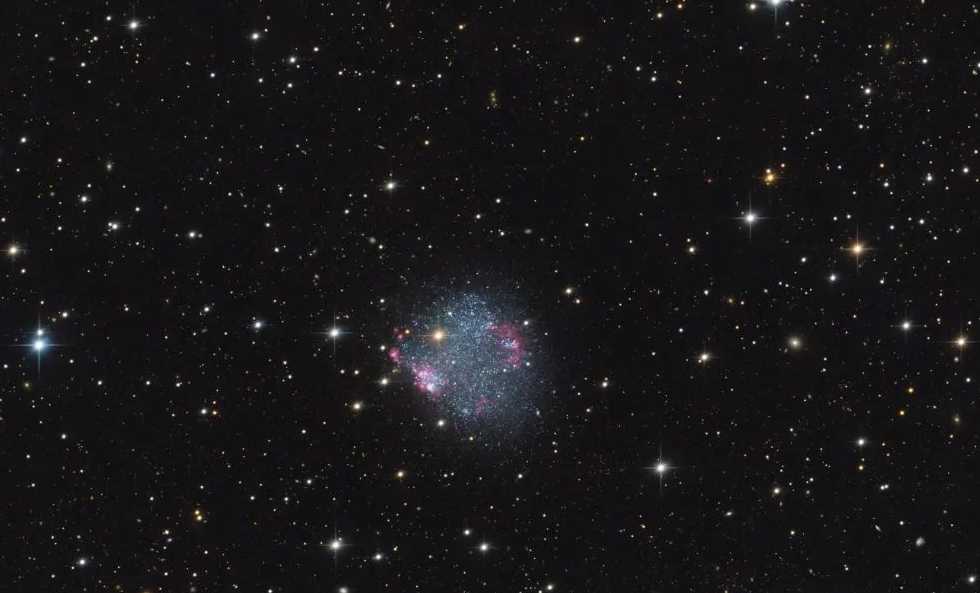
HH 24: The Cosmic 'Lightsaber' Jet from a Newborn Star in Orion
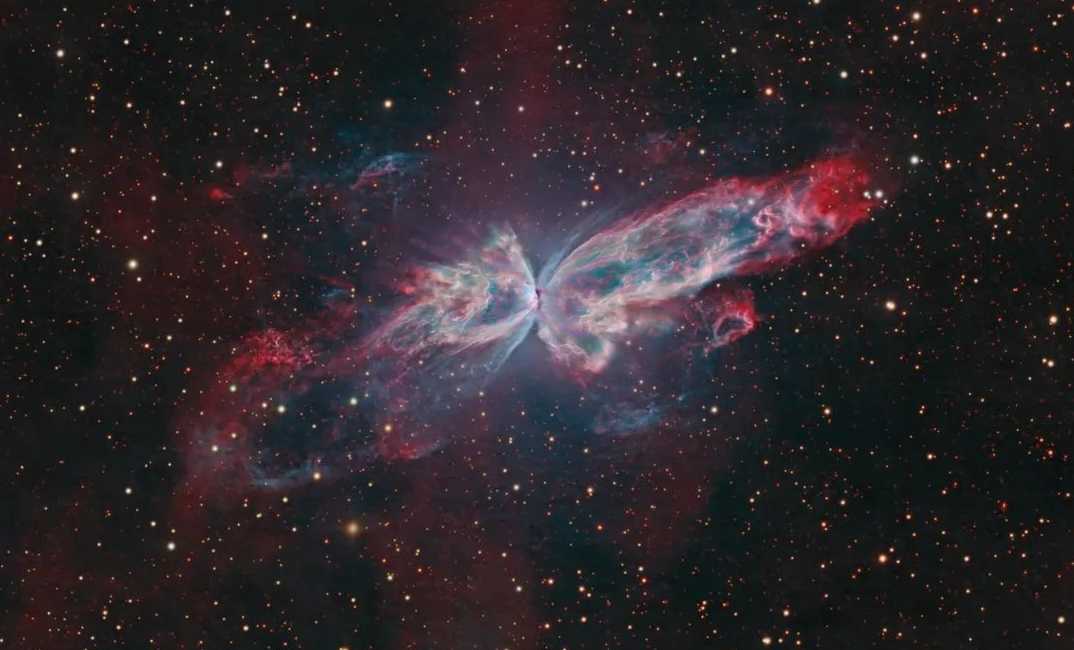
Resembling a double-bladed lightsaber, this stunning Hubble Space Telescope image captures Herbig-Haro 24 (HH 24)—a half-light-year-wide jet erupting from a newborn star in the Orion B molecular cloud complex, ~1,300 light-years (400 parsecs) from Earth. HH 24 exemplifies the violent beauty of star birth, where invisible forces carve luminous pathways through interstellar space.
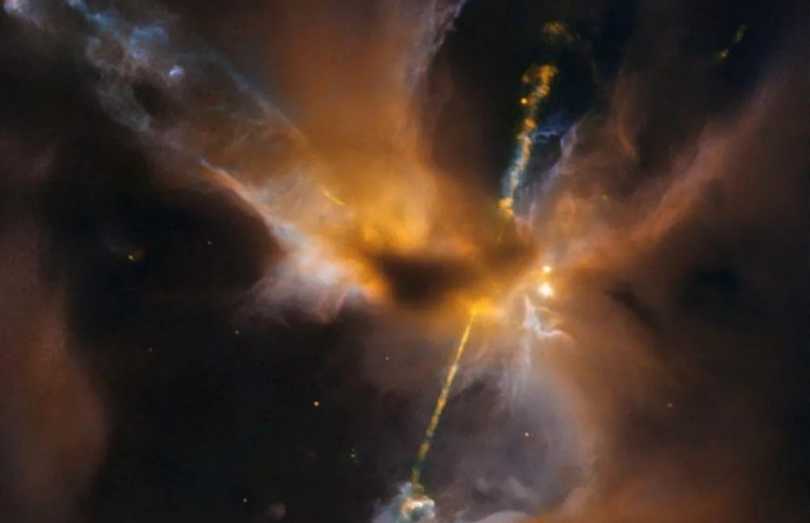
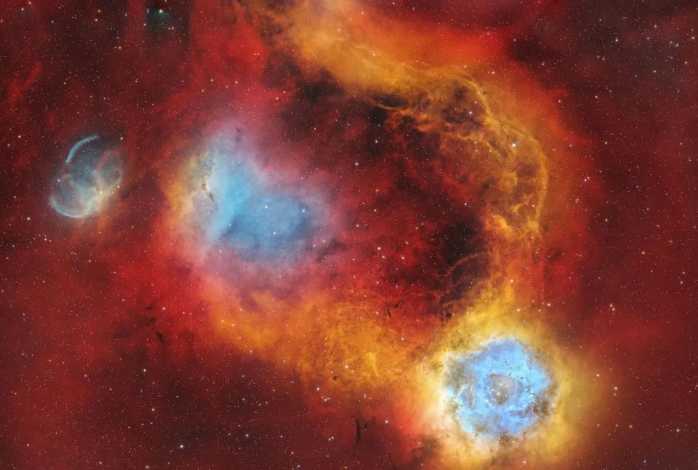
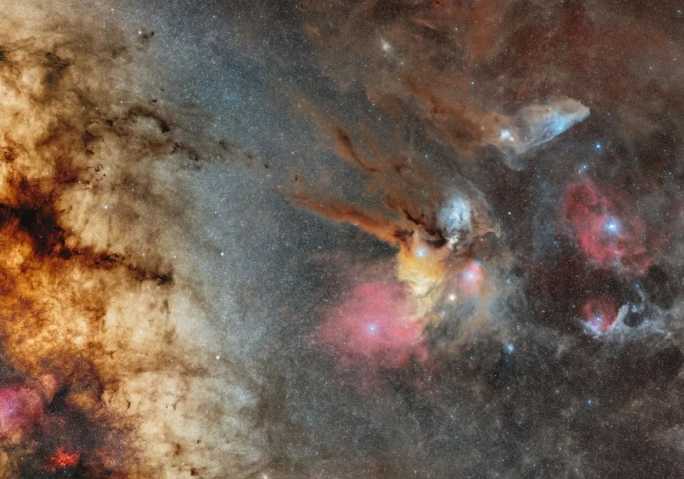
The Milky Way’s Most Beautiful Portrait: A 17-Hour Exposé of Cosmic Splendor
Stargazers and astrophotographers alike hail this deep-sky masterpiece as the Milky Way’s most stunning portrait. The image anchors viewers with a diagonally streaming galactic band in the lower-left, intersecting the vibrant Rho Ophiuchi Nebula at its center. Above, the dazzling red nebula of Zeta Ophiuchi floats like a cosmic flame, creating a triad of celestial wonders.
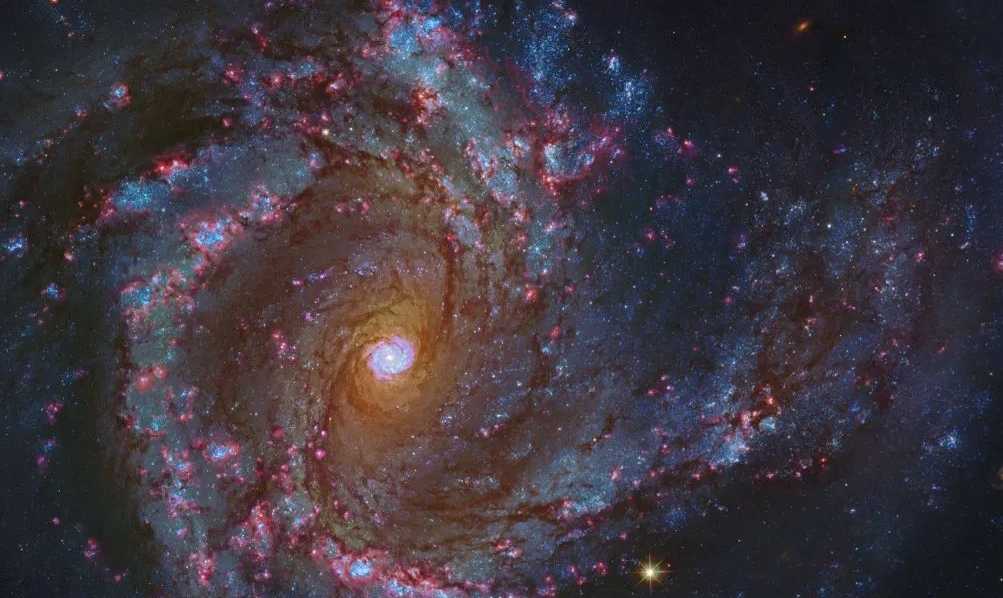
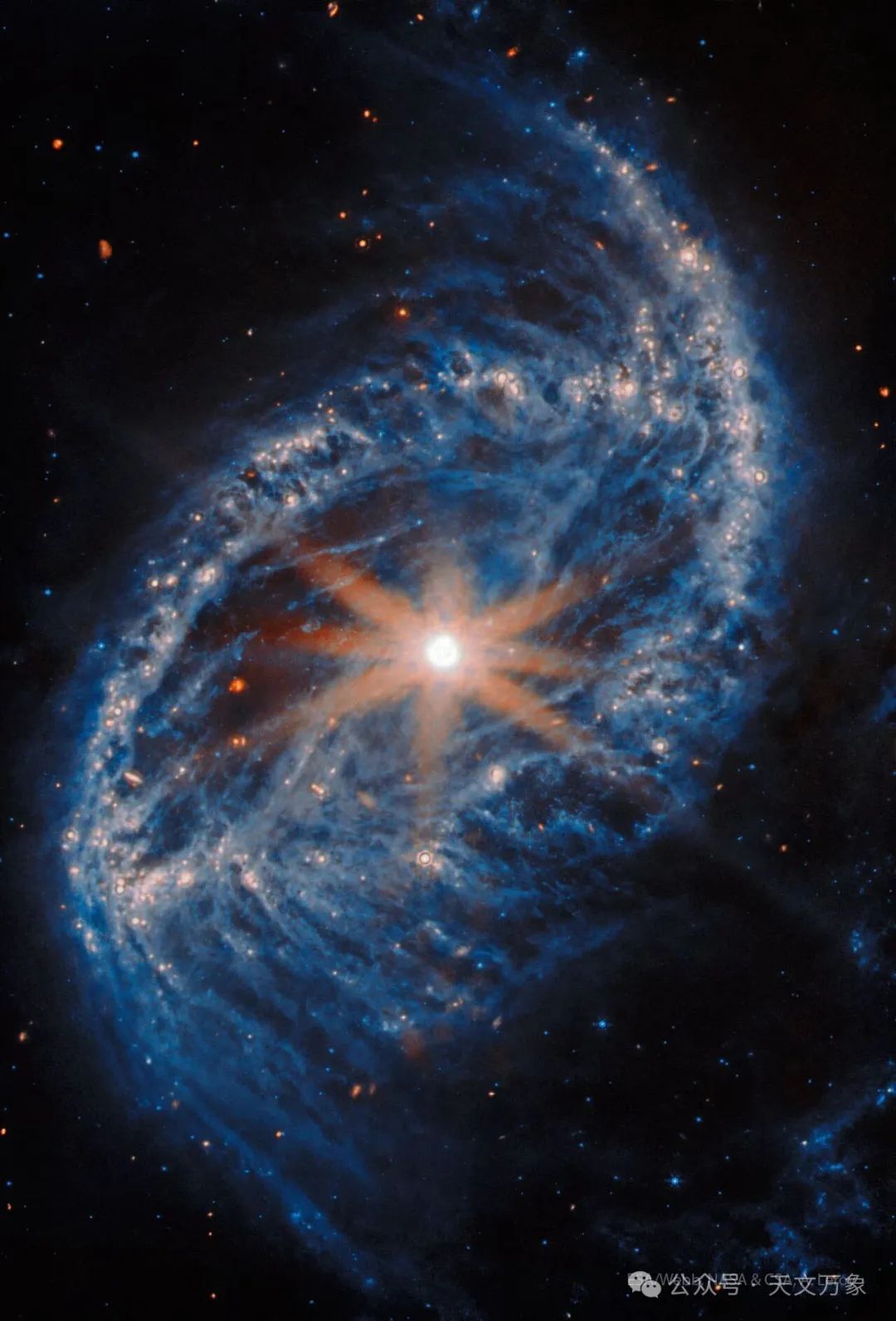
Webb’s Infrared Eye Unveils Secrets of Spiral Galaxy NGC 2566
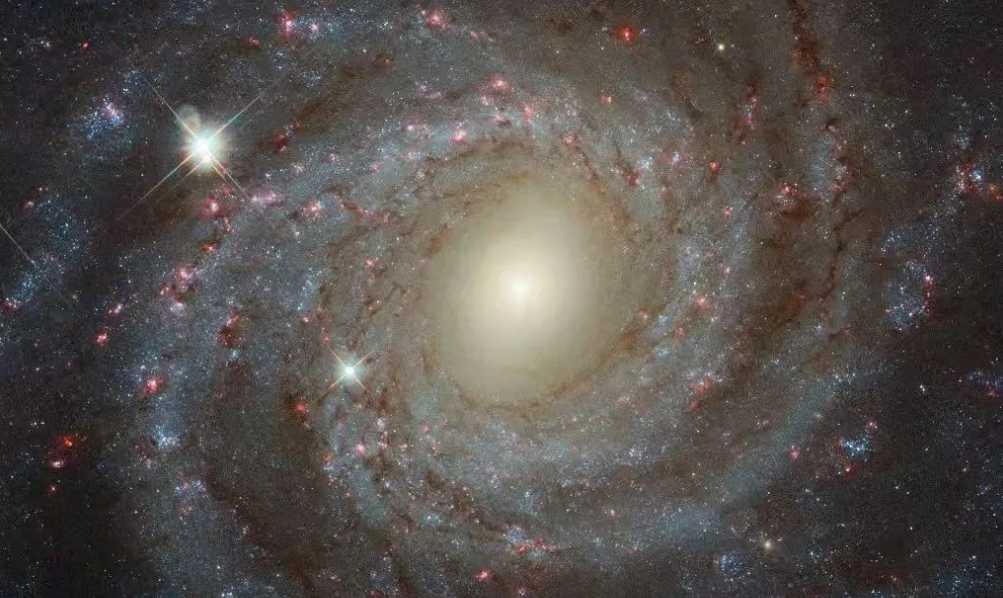
In this infrared portrait from the James Webb Space Telescope, the core of spiral galaxy NGC 2566 reveals cosmic mysteries—starting with the eight radiating spikes at its center, which aren’t astrophysical features but diffraction spikes from the telescope’s support structure. Though the bright core shows no signs of active galactic nuclei, dynamical calculations suggest a supermassive black hole of millions of solar masses lurks within, currently in a low-activity state.
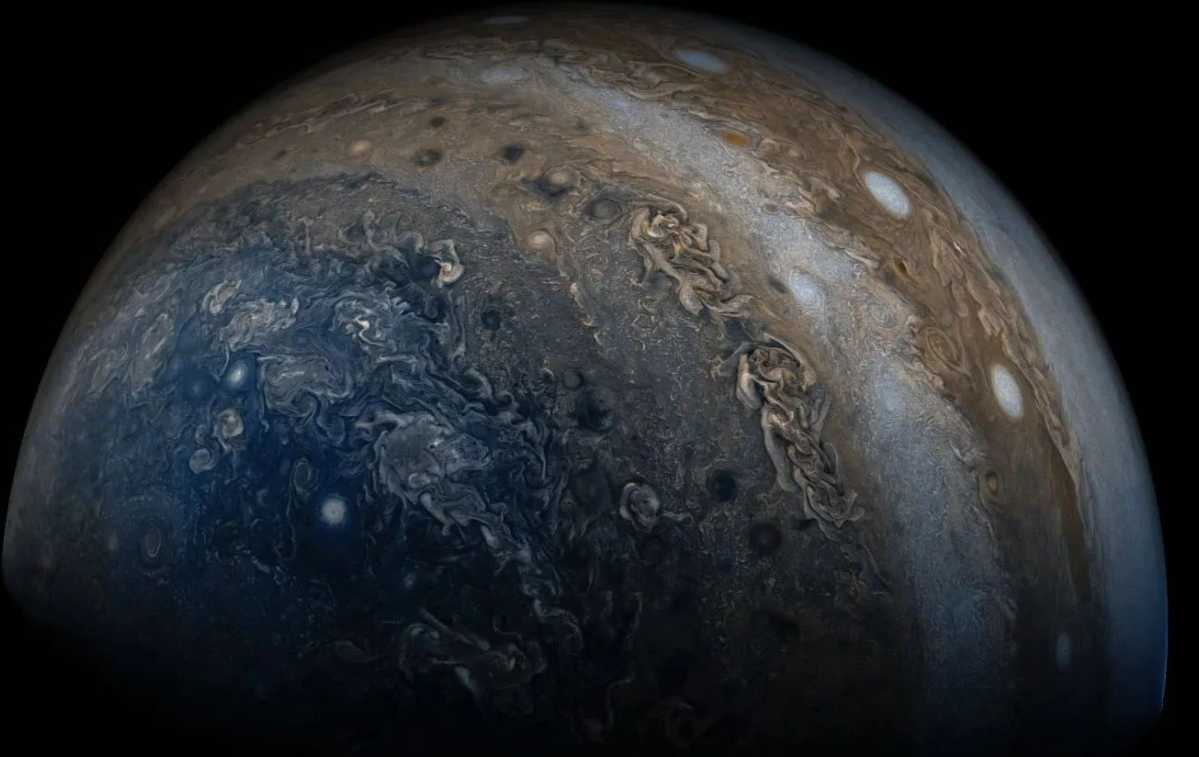
Jupiter’s Cosmic Wonders Unveiled by Juno: From Swirling Clouds to a Mysterious Core
NASA’s Juno spacecraft, on its highly elliptical orbit around Jupiter, has completed over 70 close flybys, revealing the gas giant’s secrets. A 2017 image captured from below Jupiter’s equator shows horizontal cloud bands transforming into spectacular swirling vortices and intricate patterns, with a "string of pearls" array of white oval cloud formations near the equator. These views challenge all prior conceptions of Jupiter’s atmospheric dynamics.
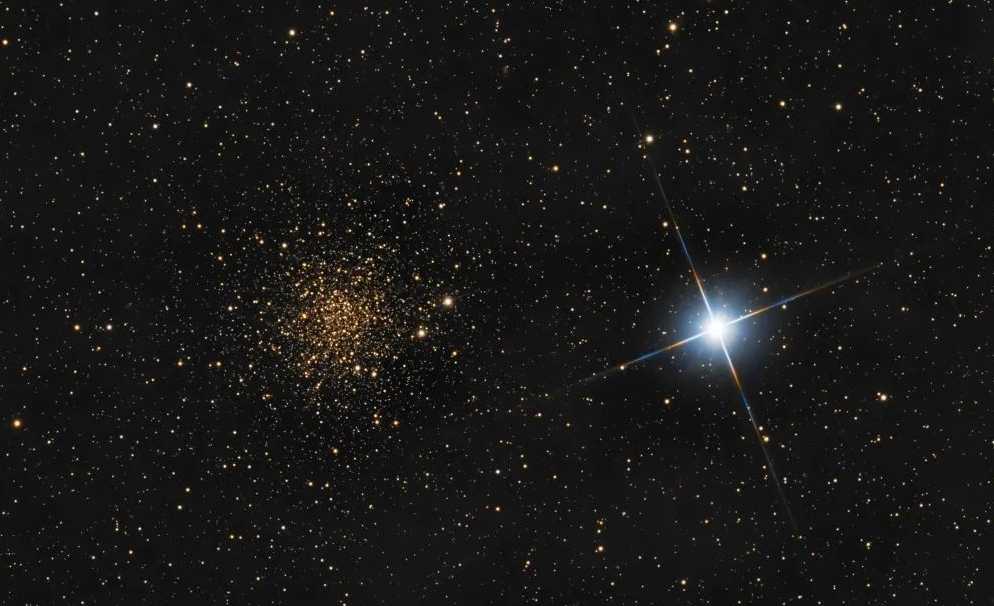
NGC 6366: A Rare Globular Cluster Defying Galactic Norms Near the Milky Way’s Plane
While most globular clusters orbit in the Milky Way’s outer halo, NGC 6366 stands out by lingering close to the galactic plane. Located ~12,000 light-years from Earth in Ophiuchus, the cluster’s starlight dims and reddens as it passes through interstellar dust—a phenomenon known as interstellar reddening. In this telescope image, NGC 6366’s golden stellar swarm contrasts sharply with the blue-white star 47 Ophiuchi, just 100 light-years away and visible as a bright point near the cluster’s edge.
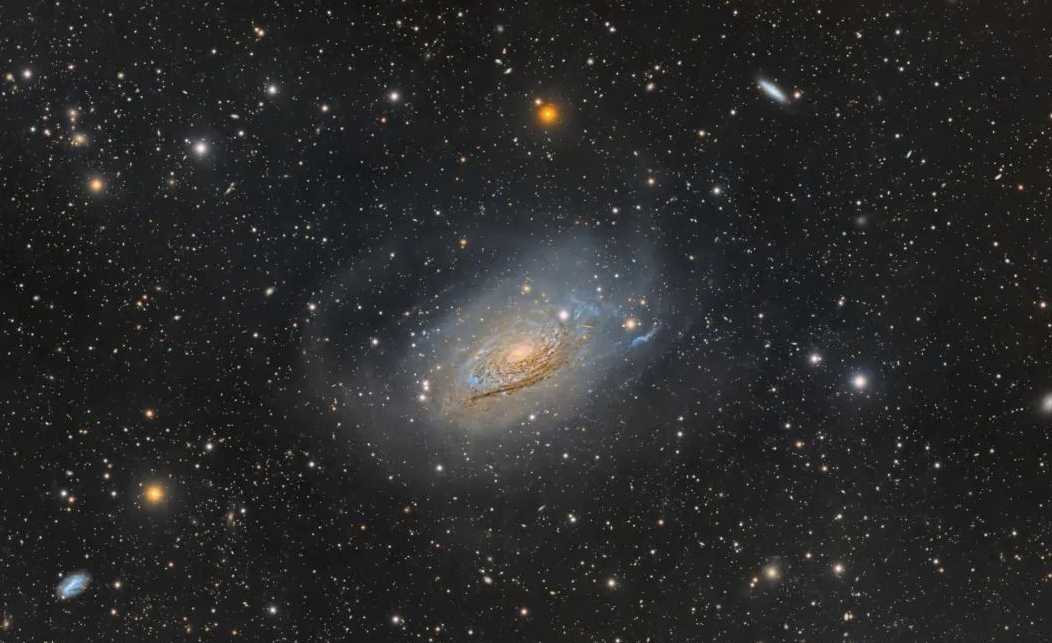
M63 (The Sunflower Galaxy): A Cosmic Sunburst in Canes Venatici
The bright spiral galaxy M63 (NGC 5055) shines in the northern sky, a mere 30 million light-years from Earth in the constellation Canes Venatici ("the Hunting Dogs"). Spanning ~100,000 light-years—comparable to the Milky Way—its luminous core and grand spiral arms earned it the nickname "Sunflower Galaxy," a nod to its petal-like structure in deep exposures.