


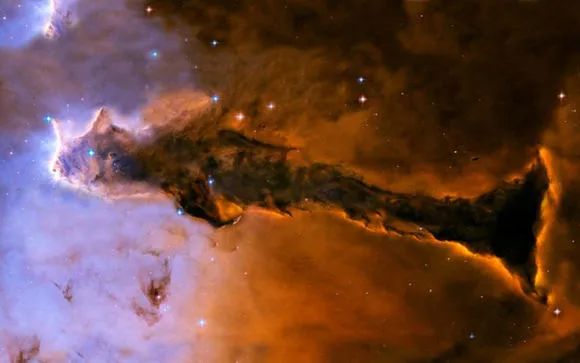
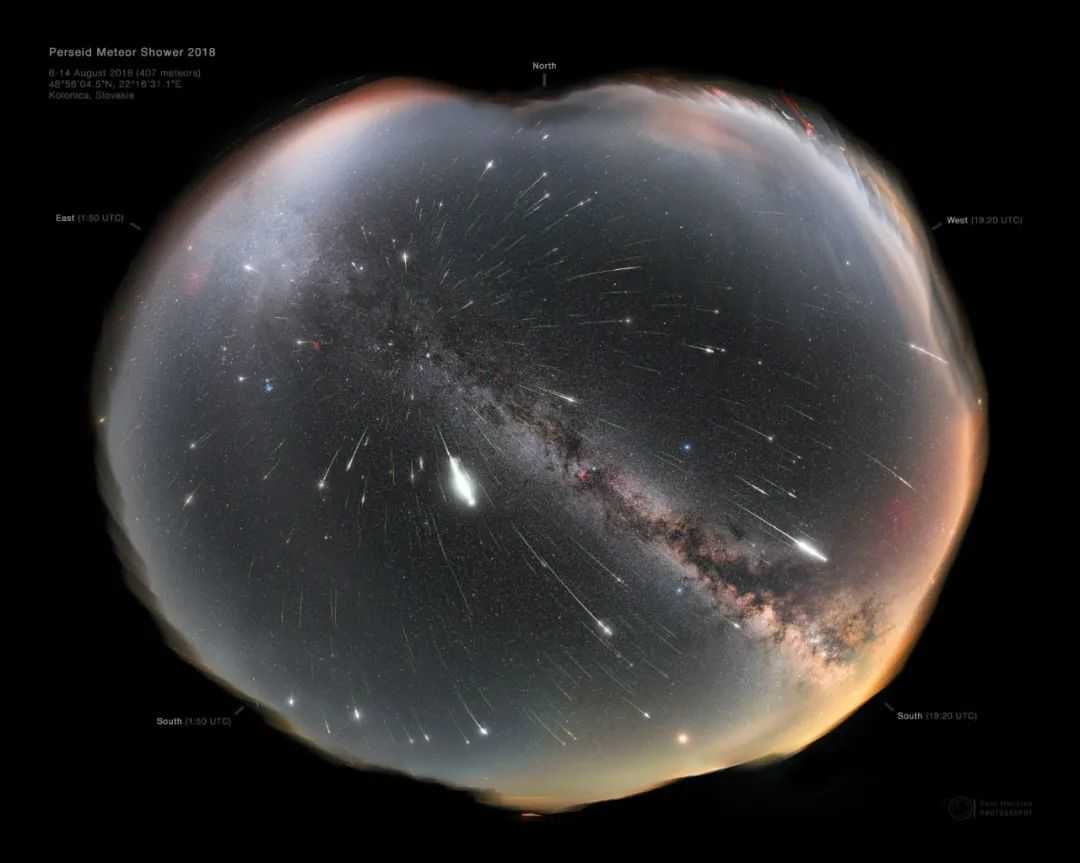
Globular Cluster M4: A Stellar Jewel Beside Antares in Scorpius
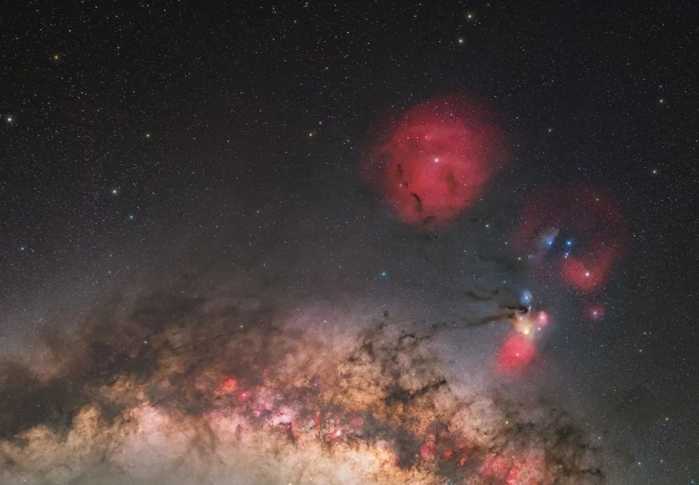
Globular cluster M4 (Messier 4) may not dazzle with extreme brightness, but its accessibility and striking proximity to one of the sky’s most iconic stars make it a favorite target for astronomers and astrophotographers alike. Nestled in the constellation Scorpius, this ancient stellar grouping offers a window into the galaxy’s past and a stunning visual companion to its fiery neighbor.
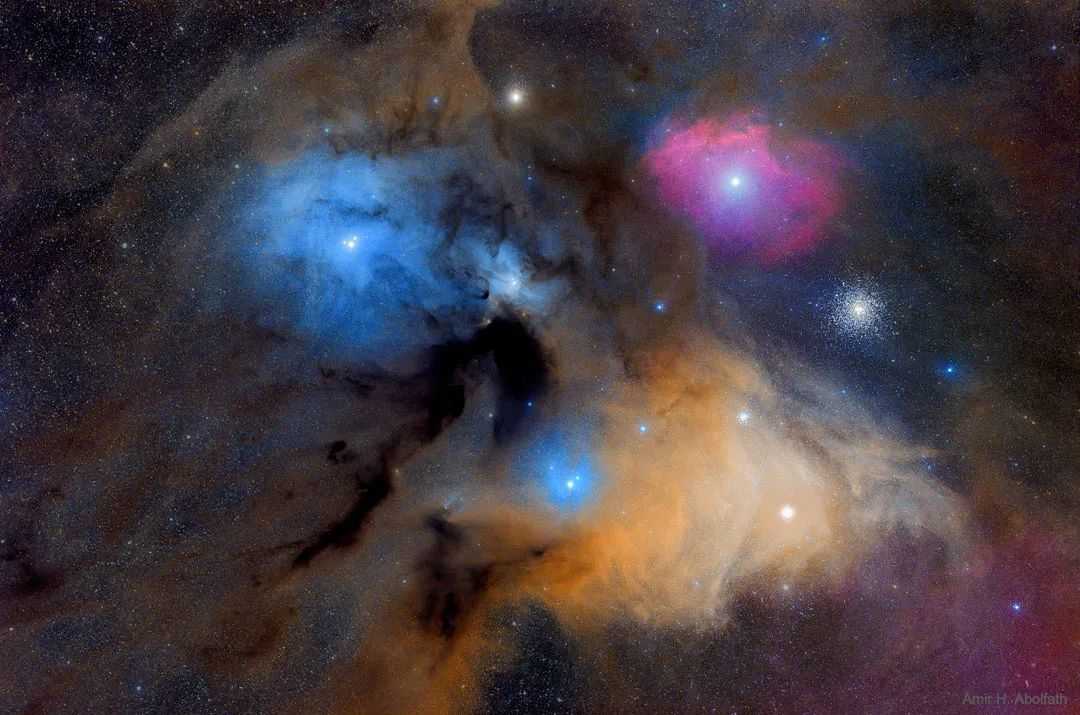
M7: Ptolemy's Cluster—A Brilliant Open Cluster in Scorpius
Known as Ptolemy's Cluster, M7 is a striking open cluster that graces the tail of the constellation Scorpius. With an apparent magnitude of 3.3—comparable to the Andromeda Galaxy’s brightness—it stands out as one of the most luminous and easily observable open clusters in the night sky, captivating both amateur stargazers and astronomers with its celestial beauty.
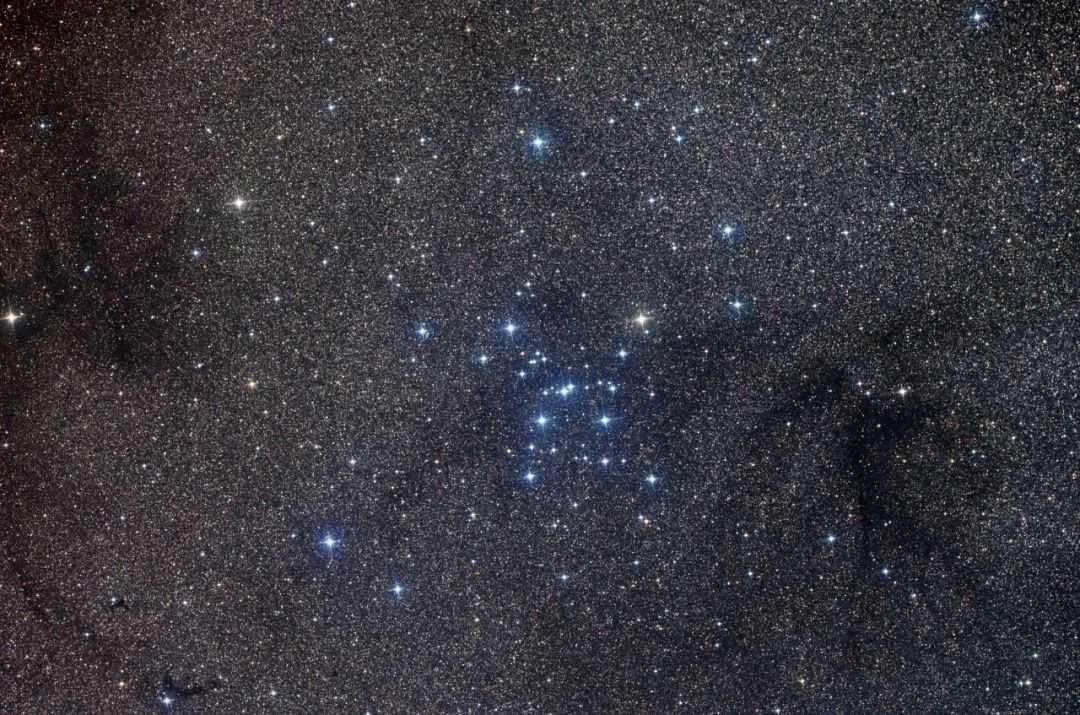
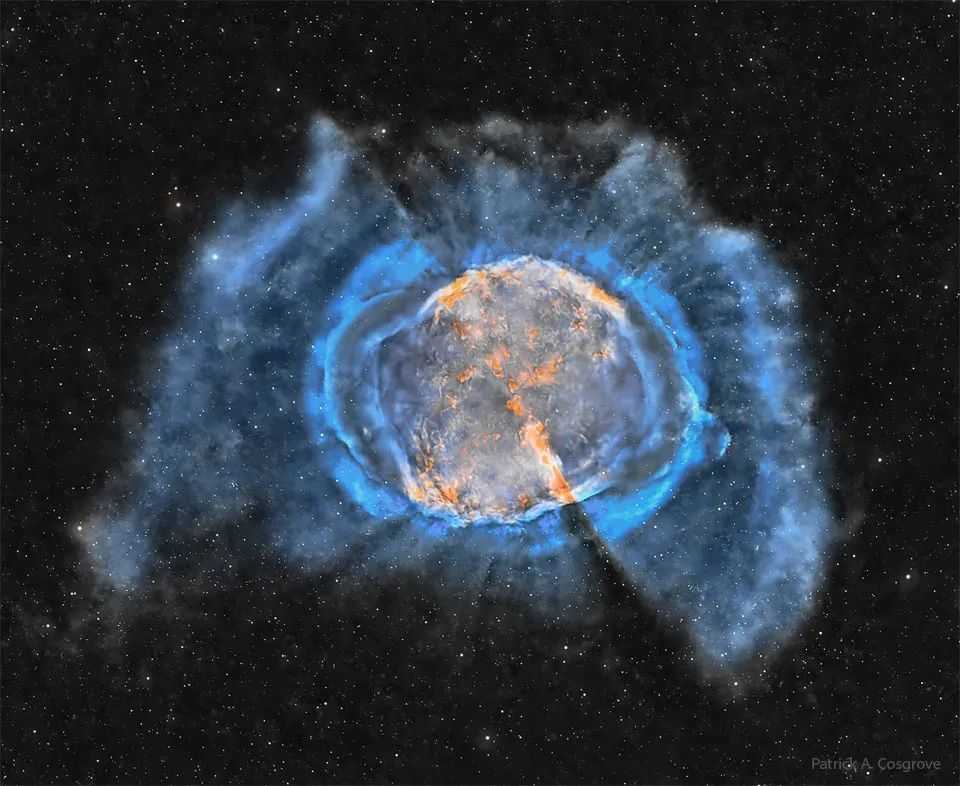
M27, the Dumbbell Nebula: A Stellar Remnant in Vulpecula
The M27 Dumbbell Nebula shines as a prominent celestial spectacle in the summer night sky, nestled in the constellation Vulpecula. Situated roughly at the midpoint between the bright stars Altair (in Aquila) and Deneb (in Cygnus), this iconic nebula is a testament to the life cycle of stars, offering a vivid glimpse into the final stages of a sun-like star’s existence.
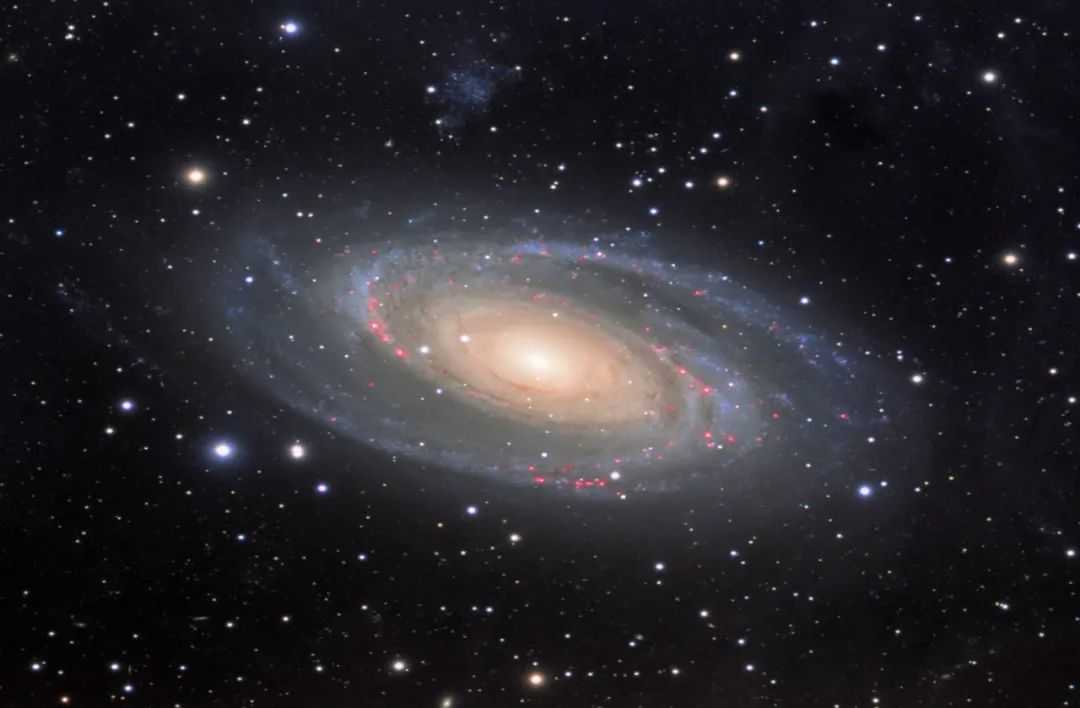
Galaxies Near the Big Dipper: A Cosmic Showcase in Ursa Major
The region around the Big Dipper (Ursa Major) is a treasure trove of distant galaxies, offering astronomers and stargazers a glimpse into the diverse architecture of the universe. Among the most notable are M81 (Bode’s Galaxy), M82 (the Cigar Galaxy), M51 (the Whirlpool Galaxy), and M101 (the Pinwheel Galaxy), each distinct in shape, size, and cosmic story.
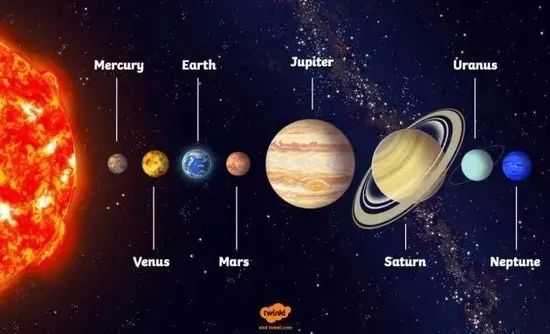
The Solar System's Planetary Trio: Terrestrial, Gas, and Ice Giants
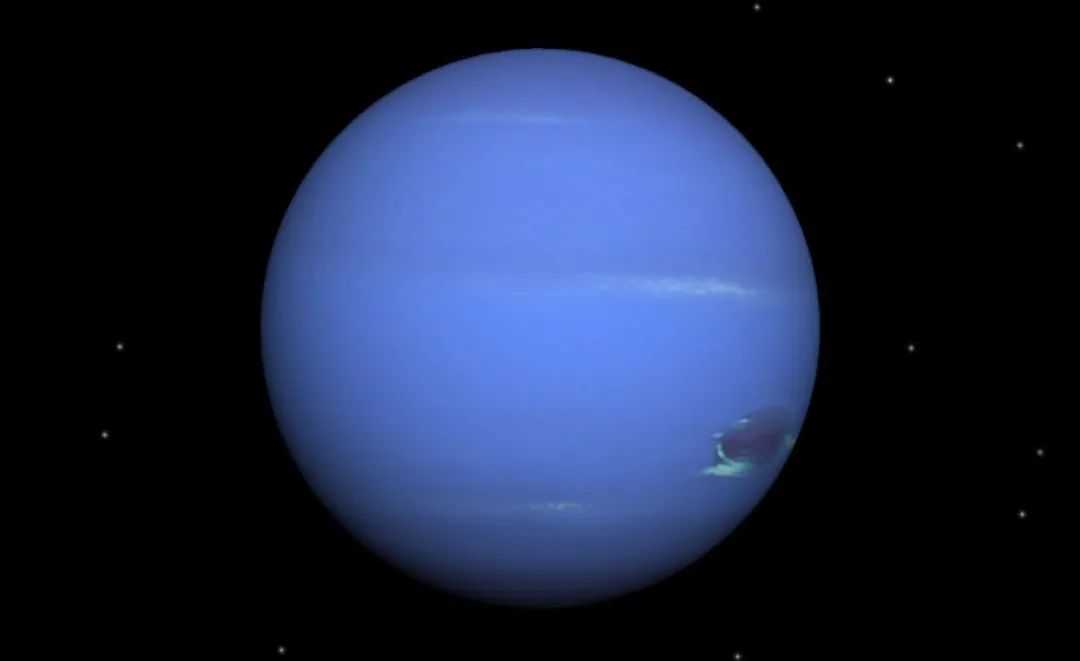
While the solar system is home to just eight planets, they are remarkably diverse, categorized into three distinct groups based on composition and structure. This classification—terrestrial planets, gas giants, and ice giants—reveals the dynamic processes that shaped their formation and highlights the vast range of environments within our cosmic neighborhood.
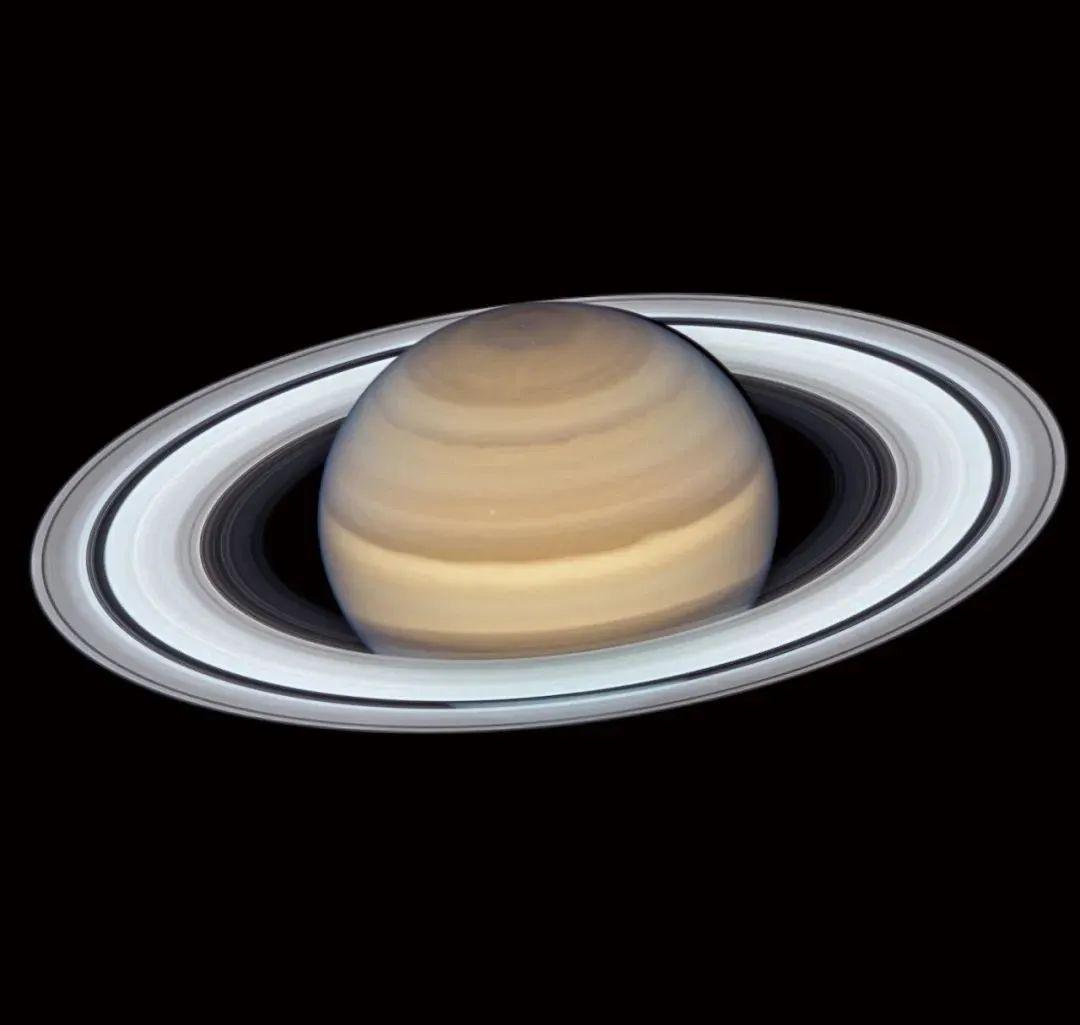
Hubble's Wide Field Camera Captures Saturn's Striking Atmospheric Stripes
The Hubble Space Telescope’s Wide Field Camera has provided a stunning new view of Saturn, revealing the gas giant’s iconic atmospheric stripes in unprecedented detail. This latest image showcases the planet’s dynamic cloud patterns, offering astronomers and space enthusiasts a vivid reminder of the complex meteorology at work on this distant celestial giant.
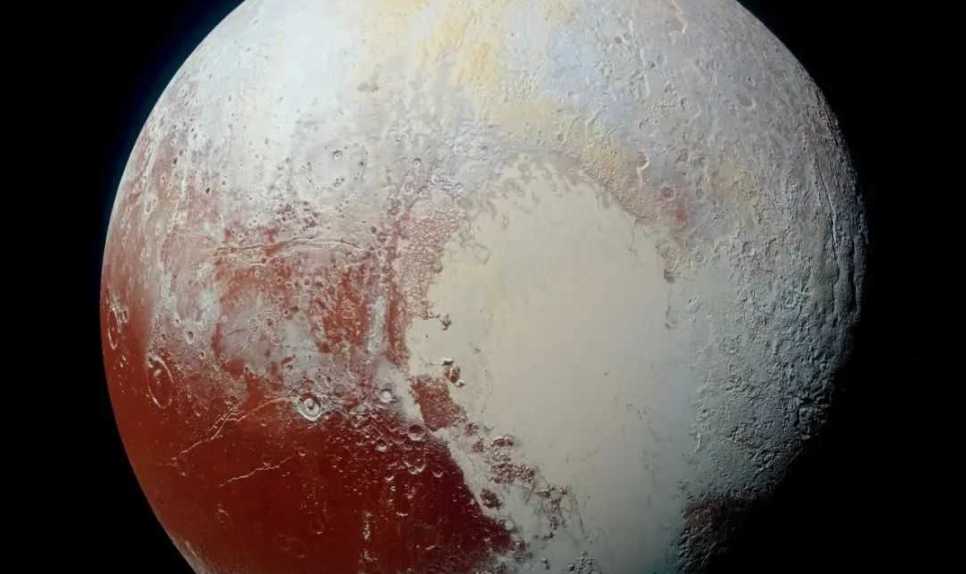
New Horizons' Near-Infrared Image Unveils Pluto's Diverse Surface
A near-infrared image of Pluto captured by NASA's New Horizons spacecraft offers unprecedented insights into the dwarf planet's complex surface. By combining this infrared data with visible-light imagery, scientists can discern the diverse color variations and material types that paint Pluto's icy landscape, revealing clues about its geological history and atmospheric interactions.