




NewYork - Presbyterian Hospital: A 250-Year Legacy of Healthcare Excellence
Founded in 1771, NewYork - Presbyterian Hospital—formerly known as NewYork - Presbyterian Hospital/Columbia and Cornell—stands as a cornerstone of healthcare in New York City. As the shared teaching hospital of Cornell University and Columbia University, it has merged academic rigor with clinical excellence for over two and a half centuries. Located in the heart of New York, the hospital’s legacy is defined by its commitment to innovation, education, and compassionate care, making it a trusted institution for generations of patients.

NYU Langone Health: A Dual-Pillar Powerhouse in Healthcare and Research
Situated in New York City, NYU Langone Health stands as a dynamic healthcare institution comprising two interwoven systems: medical research and clinical care. Rooted in academic excellence, its research arm includes the renowned NYU Grossman School of Medicine and NYU Grossman Long Island School of Medicine. These institutions drive groundbreaking discoveries in genomics, immunology, and precision medicine, fostering a culture of innovation that permeates every facet of patient care. By integrating cutting-edge research with clinical practice

University of Chicago Medicine: A Century of Innovation in Academic Healthcare
As the academic medical center of the University of Chicago and the teaching hospital for its Pritzker School of Medicine, the University of Chicago Medicine has been a trailblazer in healthcare since 1927. Managed by the university, it seamlessly integrates medical education, cutting-edge research, and patient care, establishing itself as a global leader in innovative treatment. Its legacy of excellence is defined by a commitment to pushing medical boundaries, from pioneering breakthroughs to reimagining healthcare infrastructure.
Stanford Hospital: A Hub of Excellence and Community Collaboration in the Bay Area
Affiliated with Stanford University Medical Center and situated in California’s Bay Area, Stanford Hospital is a cornerstone of innovative healthcare and community engagement. The medical center invests heavily in partnerships with dozens of community hospitals and clinics, forming a dense network of health services across the region. This collaborative approach aims to improve population health through accessible care, preventive programs, and shared resources, ensuring that residents of the Bay Area have reliable access to high-quality medical support at every life stage.

UCLA Health: A Premier Medical Hub Shaping Healthcare Excellence
Established in 1955, the University of California, Los Angeles (UCLA) Health System has emerged as a global leader in medical innovation and patient care. Comprising eight hospitals, the medical center boasts an impressive legacy, with 14 Nobel laureates among its ranks. Notably, it was at UCLA Health in 1981 that the world first identified AIDS, marking a pivotal moment in medical history. With an $800 - million investment in its infrastructure, the center is designed to withstand magnitude 8 earthquakes, ensuring resilience in the face of natural disasters while prioritizing patient safety.
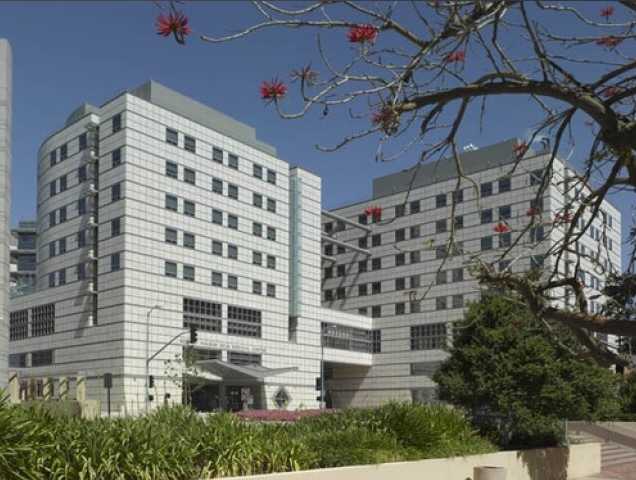
UCSF Medical Center: A 160-Year Legacy of Innovation and Academic Excellence
Founded in 1864 as Toland Medical College in San Francisco, the University of California, San Francisco (UCSF) Medical Center has evolved into a globally recognized leader in healthcare, research, and education. In 1873, it joined the University of California system, becoming the medical school affiliated with the University of California, Berkeley, and expanding its presence to include campuses in Berkeley, San Francisco, and beyond. For over a century and a half, UCSF has remained at the forefront of medical advancement
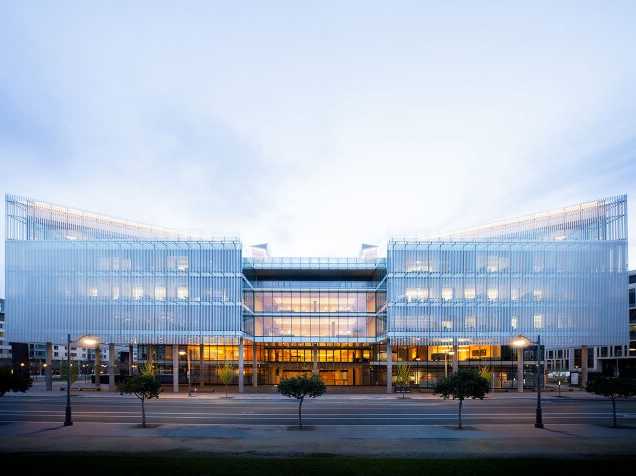
Virginia Commonwealth University Children’s Hospital’s Pediatric Tower: Tailored Care Through Thoughtful Design
Nestled in Richmond, Virginia, the Pediatric Tower at Virginia Commonwealth University Children’s Hospital stands as a testament to innovative healthcare architecture. Designed with a holistic approach, the tower consolidates the hospital system’s medical resources into a unified, state-of-the-art facility. By integrating insights from diverse stakeholders—including medical professionals, patients, and families—the tower’s layout and amenities prioritize age-specific needs, ensuring that each young patient receives care in an environment optimized for their development and well-being.