

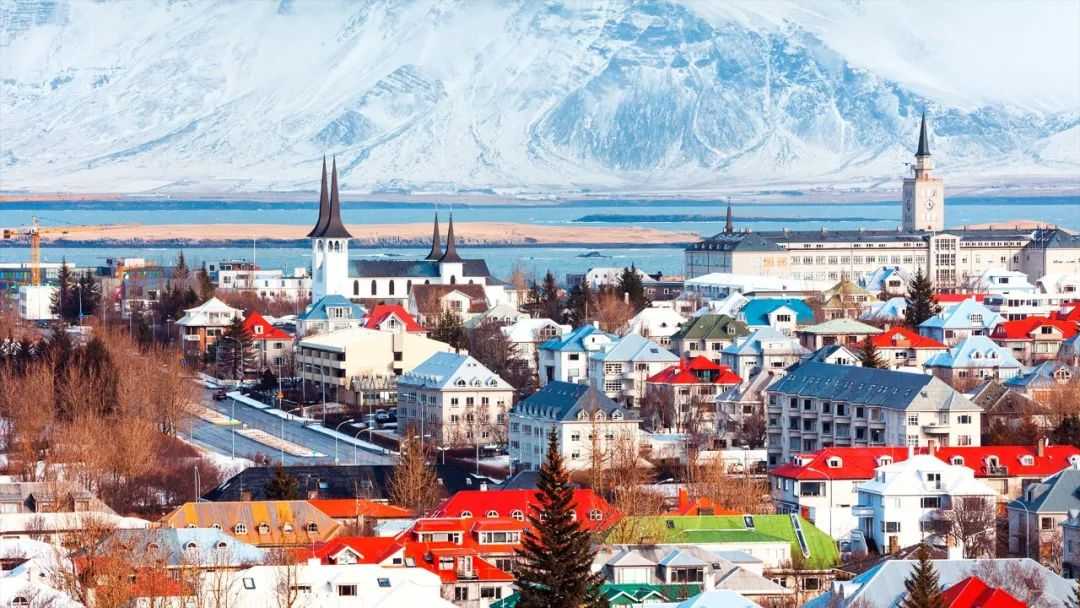
Iceland: A Beacon of Health and Well-being
Iceland has long been lauded for its unique natural beauty and rich cultural heritage. However, recent data reveals that it is also a global leader in several aspects of public health and social welfare. With an average life expectancy of 83 years, Iceland ranks 12th in the world, a testament to the effectiveness of its healthcare system and the overall quality of life its residents enjoy.
Norway's Exceptional Healthcare and Well-being
Norway stands out in the healthcare landscape among OECD countries. In terms of healthcare spending, it ranks fourth. The nation allocates a significant portion of its resources to healthcare, both as a proportion of GDP and per capita. With approximately 10 - 11% of its GDP dedicated to health, at around $6,500 - $7,000 USD per capita, Norwegians enjoy comprehensive coverage and high - quality services. This substantial investment has tangible results.

South Korea's Robust Public Healthcare System Shines
South Korea's National Health Insurance (NHI) system has emerged as a global model for its effectiveness and innovation. With a strong focus on preventive healthcare, NHI encourages regular medical check - ups and disease screenings, enabling early detection and timely treatment. This proactive approach has been instrumental in promoting the overall well - being of the population and reducing the burden of serious illnesses.

Japan’s Healthcare Achievements Set Global Benchmarks
Japan continues to distinguish itself on the global health stage, boasting remarkable statistics across multiple metrics. With a life expectancy of 84.4 years, it leads among major countries, reflecting the effectiveness of its healthcare system. Complementing this longevity, Japan maintains an astonishingly low obesity rate of 4.6%, a stark contrast to the global average of 25.7%. These figures underscore the nation’s success in promoting healthy lifestyles and preventive care.