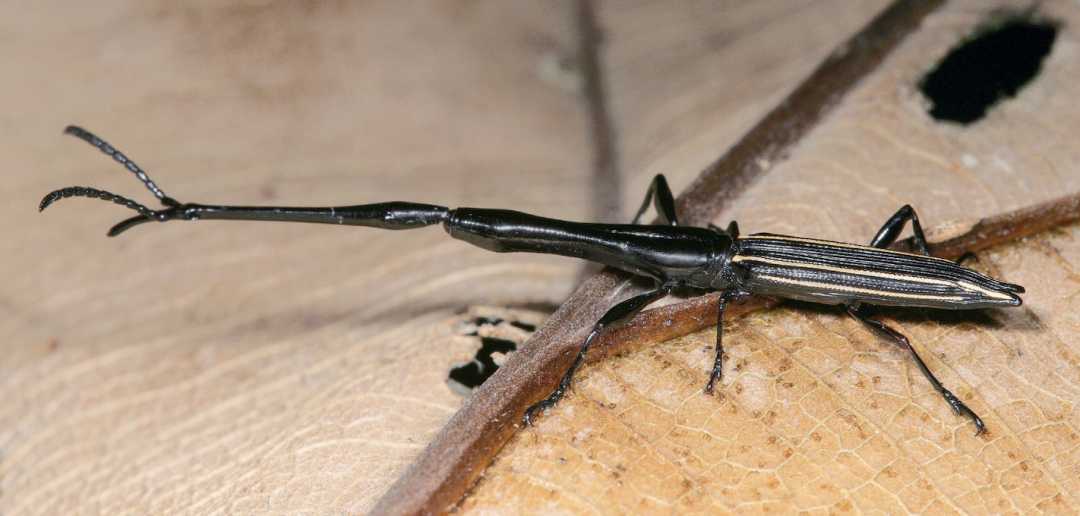
Cerapterus laceratus: Mozambique's Beetle Tricks Ants with Pheromone Mimicry and Scalding Defense
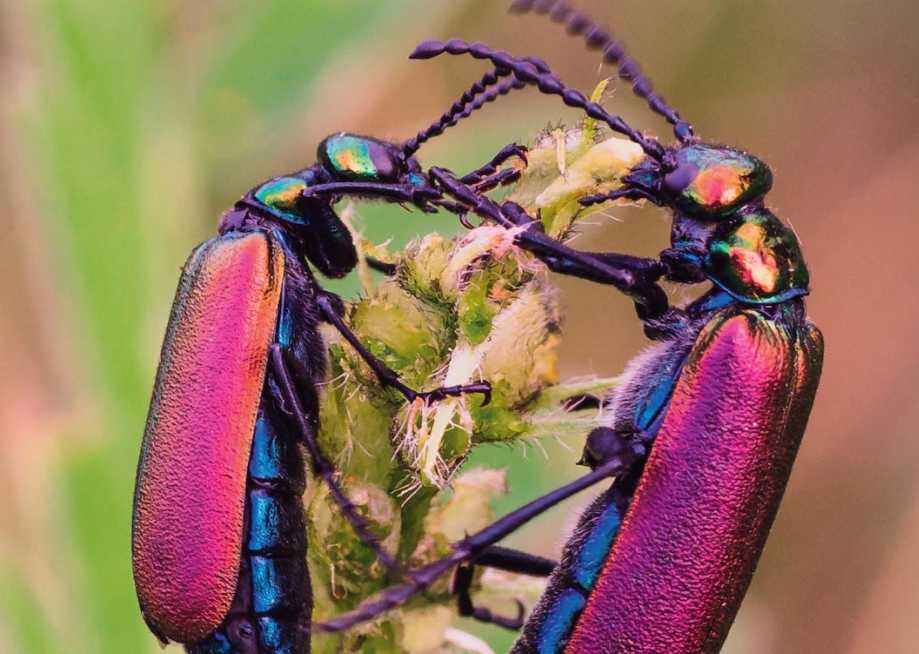
The adult and larval stages of Cerapterus laceratus, a rove beetle from Mozambique, have evolved a dual defense strategy that combines chemical trickery and fiery retaliation. By secreting compounds that mimic ant pheromones, these insects gain seamless integration into ant colonies, where they move freely without triggering aggression. This deceptive adaptation allows them to exploit ant resources while avoiding predation—a biological ruse rare in the insect world.
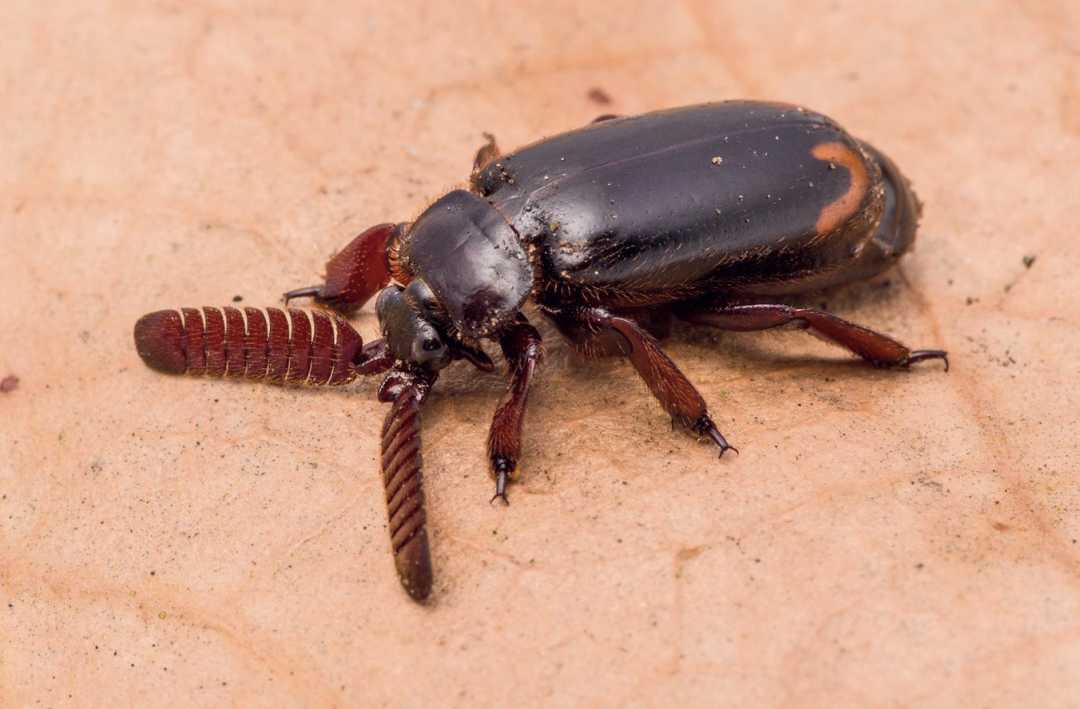
Spiky Larva of the False Ladybug Family Feeds on Fungi in Madagascar's Rainforests
In the lush rainforests of Madagascar, a larva covered in stiff, protruding spines catches the eye. Belonging to the false ladybug family (Endomychidae), this intriguing insect sports an armor of sharp projections, a striking adaptation that sets it apart in the tropical undergrowth. Far from its adult form’s resemblance to ladybugs, the larva’s spiky exterior serves both as protection and a unique identifier in the fungal-rich ecosystem.
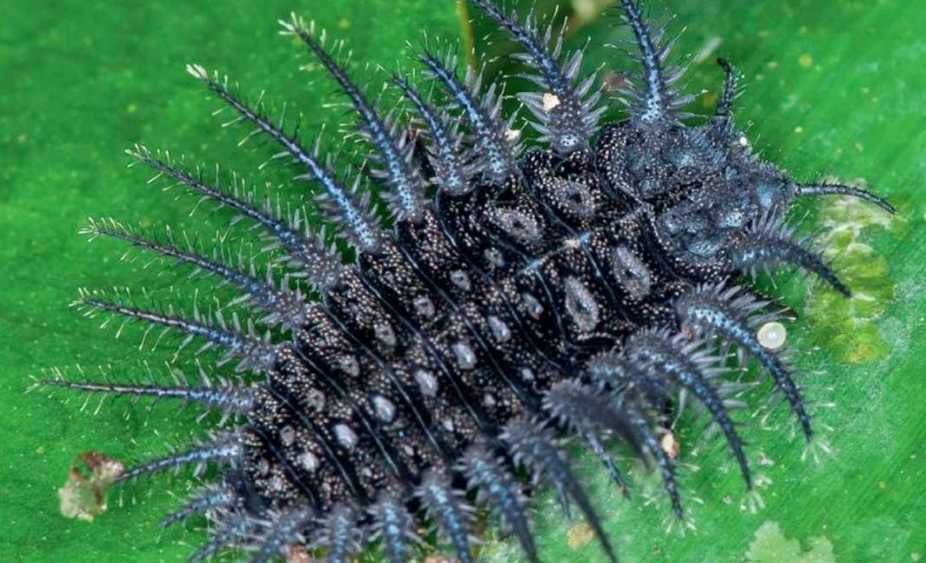
Acauloplax exigua: Mozambique's Leaf-Mimicking Katydid Blends Seamlessly with Foliage
Among the many insects that mimic leaves, the Mozambican katydid Acauloplax exigua stands out for its evolutionary mastery of camouflage. This tree-dwelling orthopteran boasts a flattened body so perfectly adapted to leaf mimicry that it vanishes against greenery, its veins and coloration mirroring the texture and hue of tropical foliage. The result is a living illusion—an insect that becomes one with its habitat at a glance.
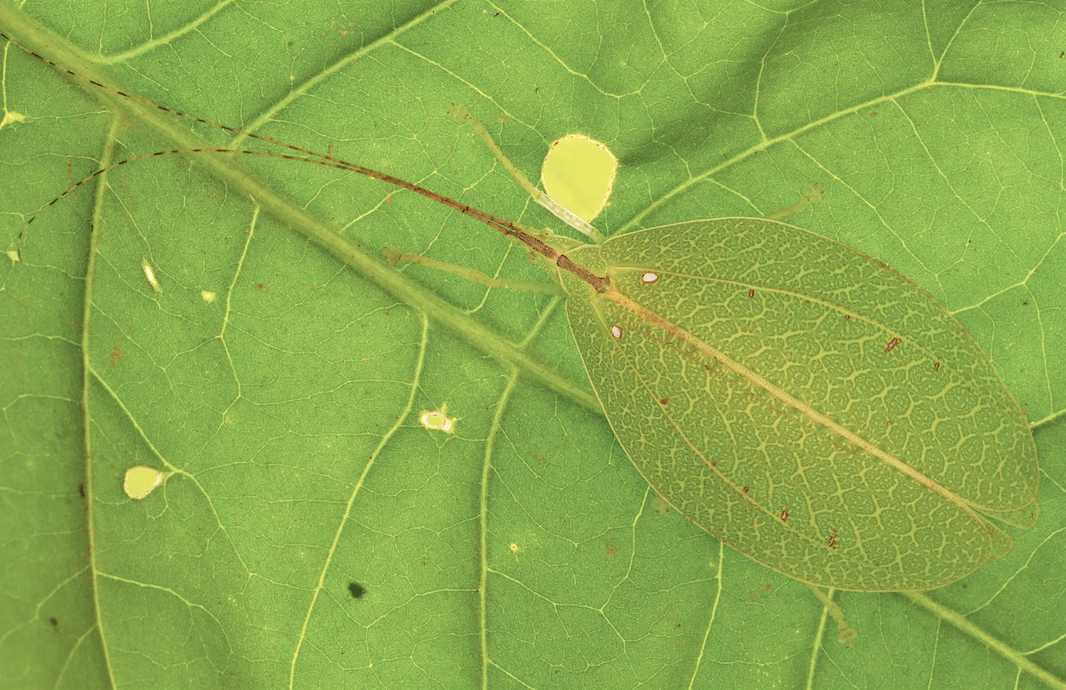
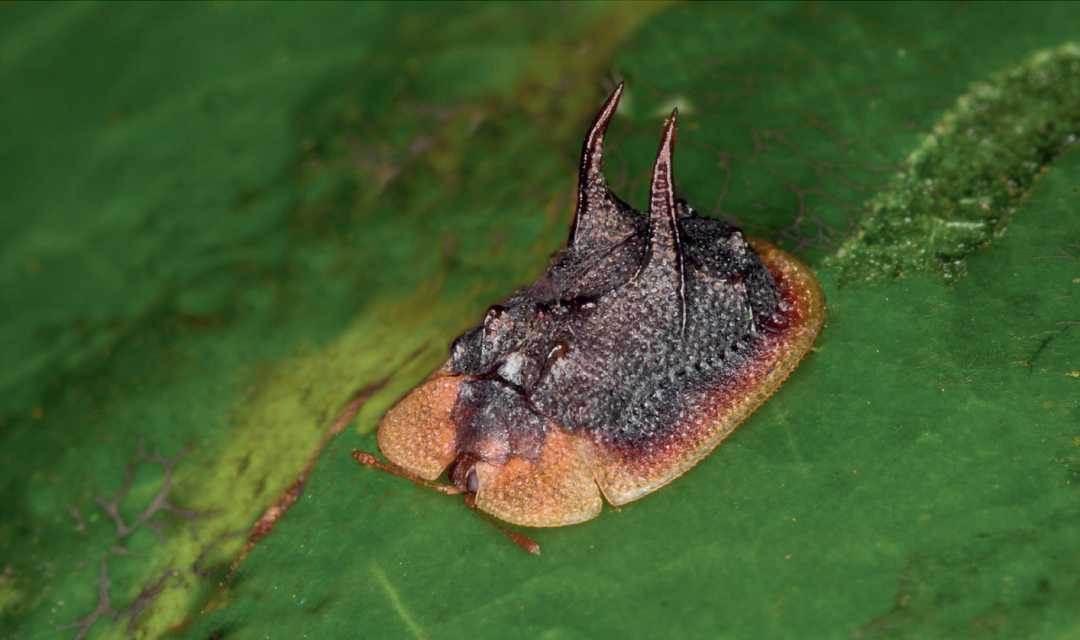
Madagascar's Demon-Horned Tortoise Beetle: A Bizarre Beauty with Fiery Projections
In the realm of beetles, those adorned with devilish horns are a rarity, but a unique tortoise beetle from Madagascar defies expectations with its otherworldly appearance. This extraordinary insect sports two prominent, curved spikes on its elytra, resembling miniature demon horns that rise from its back. The contrast between its armored, domed shell and these fiery projections creates a bizarre yet captivating silhouette, making it a standout in the island’s diverse ecosystems.
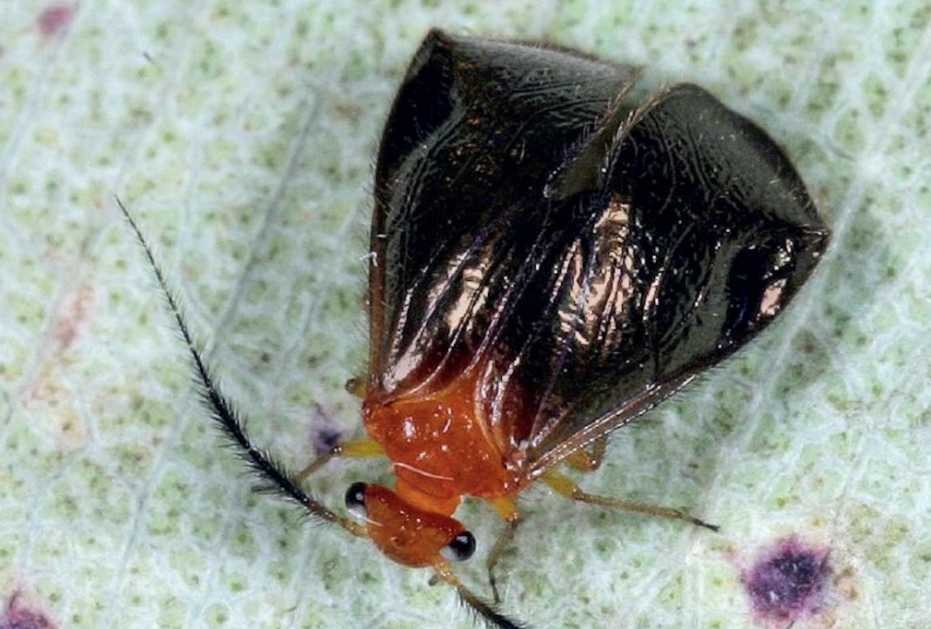
Calopsocus sp.: Australia's Stunning Lichen Fly Redefines Psocid Expectations
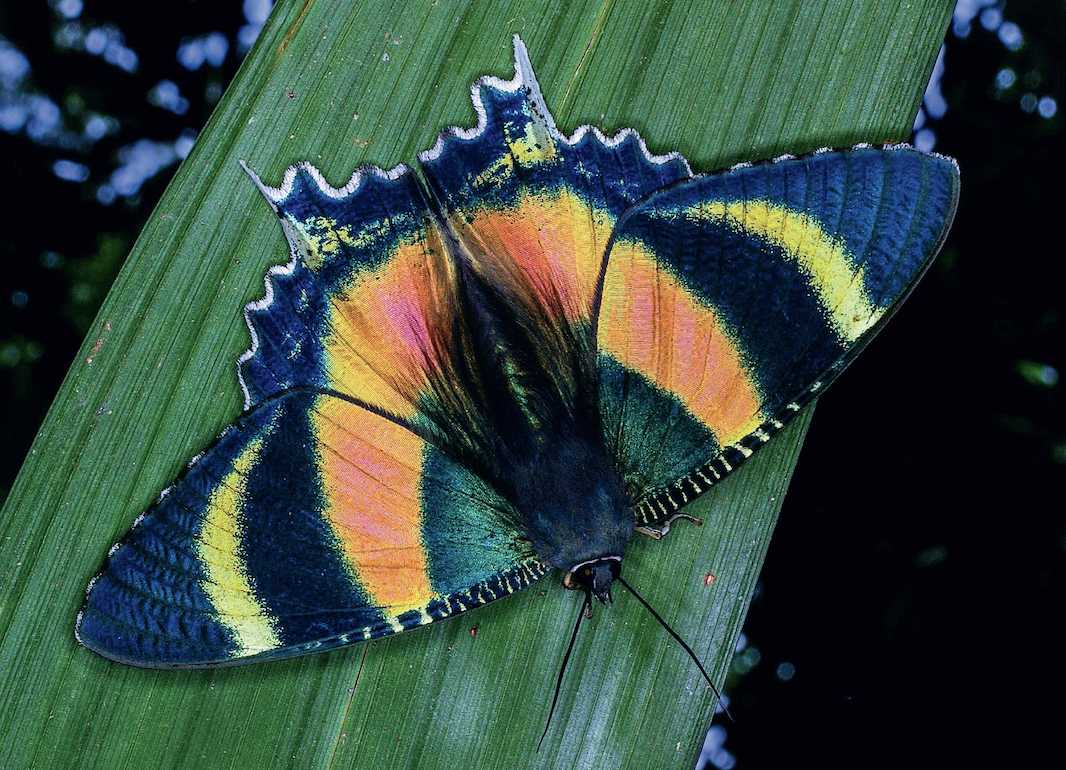
Hailing from Australia’s eucalyptus forests, Calopsocus sp. shatters stereotypes about psocids (barklice) with its remarkable morphology. Unlike most psocids, whose wings end in sharp points, this species features wingtips that curve gently downward, creating a sleek, elegant outline. The smooth, downward bend—often paired with vibrant coloration or intricate patterns—sets it apart in the world of tiny, often-overlooked insects.
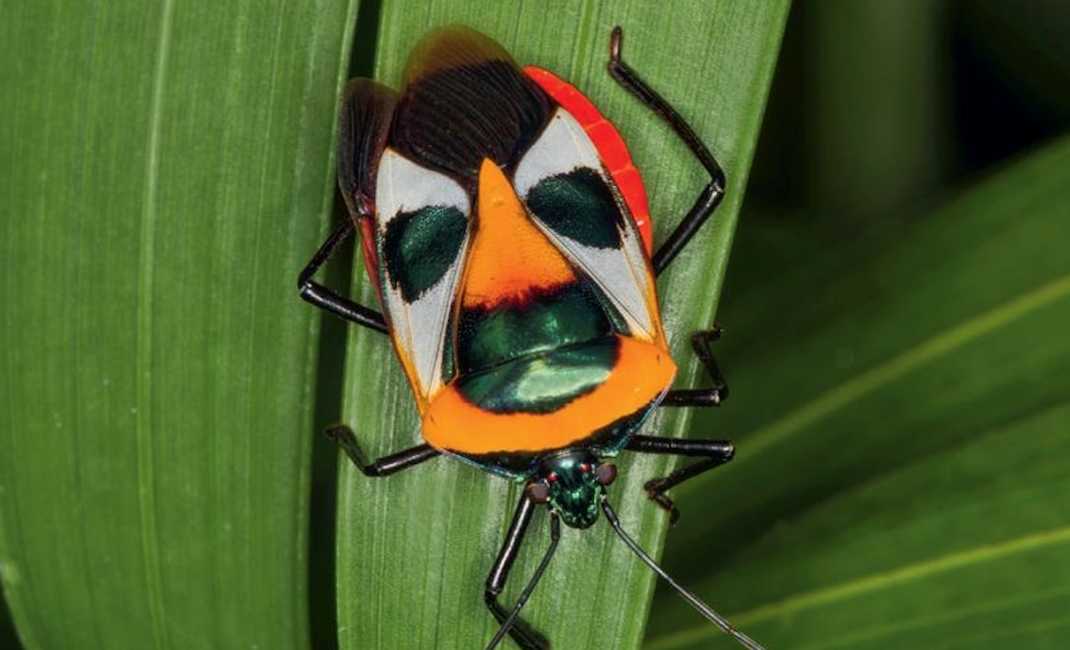
Catacanthus incarnatus: The Mesmerizing 'Human-Faced' Bug with Dazzling Patterns
Among stink bugs, Catacanthus incarnatus stands alone with its striking markings and uncanny mimicry of a human face. The insect’s thorax and abdomen feature a pattern resembling eyes, a nose, a mouth, and even a defined hairline, creating a surreal illusion that captivates and startles in equal measure. Its vivid red and black coloration only amplifies the effect, making it one of nature’s most extraordinary examples of mimicry.
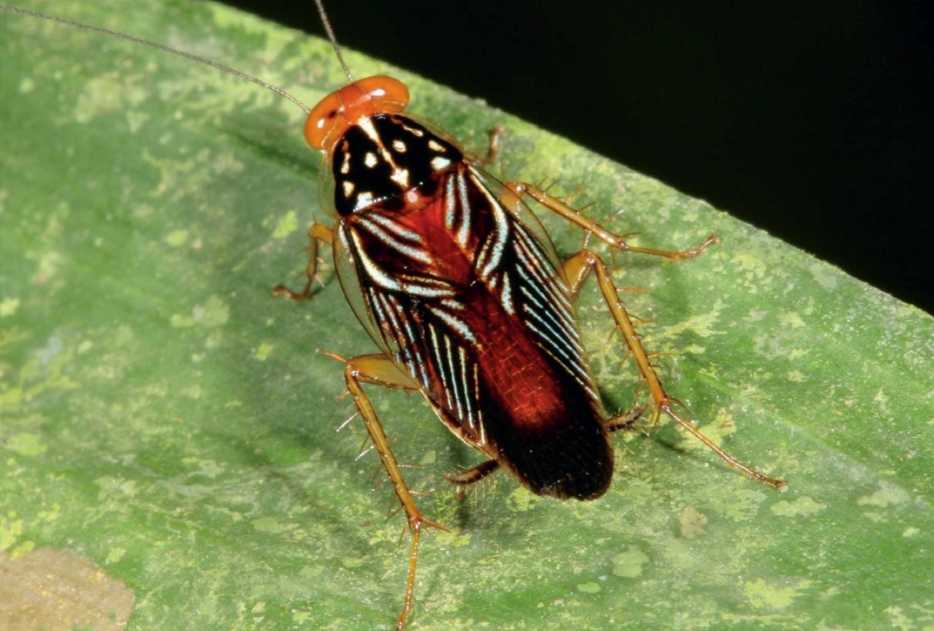
Euphyllodromia sp.: Central America's Colorful Cockroach Mimics Bees with Dazzling Deception
While cockroaches are typically associated with drab black or brown tones, Euphyllodromia sp. from Central America shatters this stereotype with its vibrant appearance and remarkable mimicry. This tropical cockroach has evolved to resemble local bees, boasting bold yellow and black patterns on its pronotum and wings—a design that stands as a masterclass in Batesian mimicry.