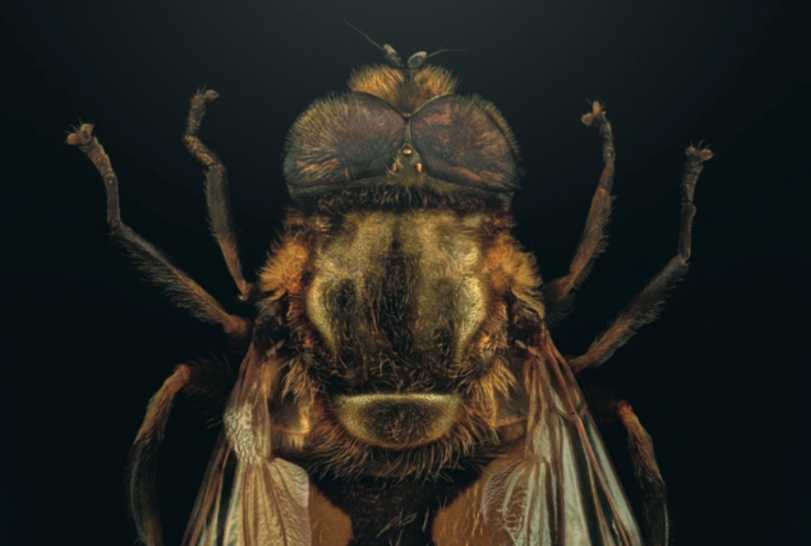
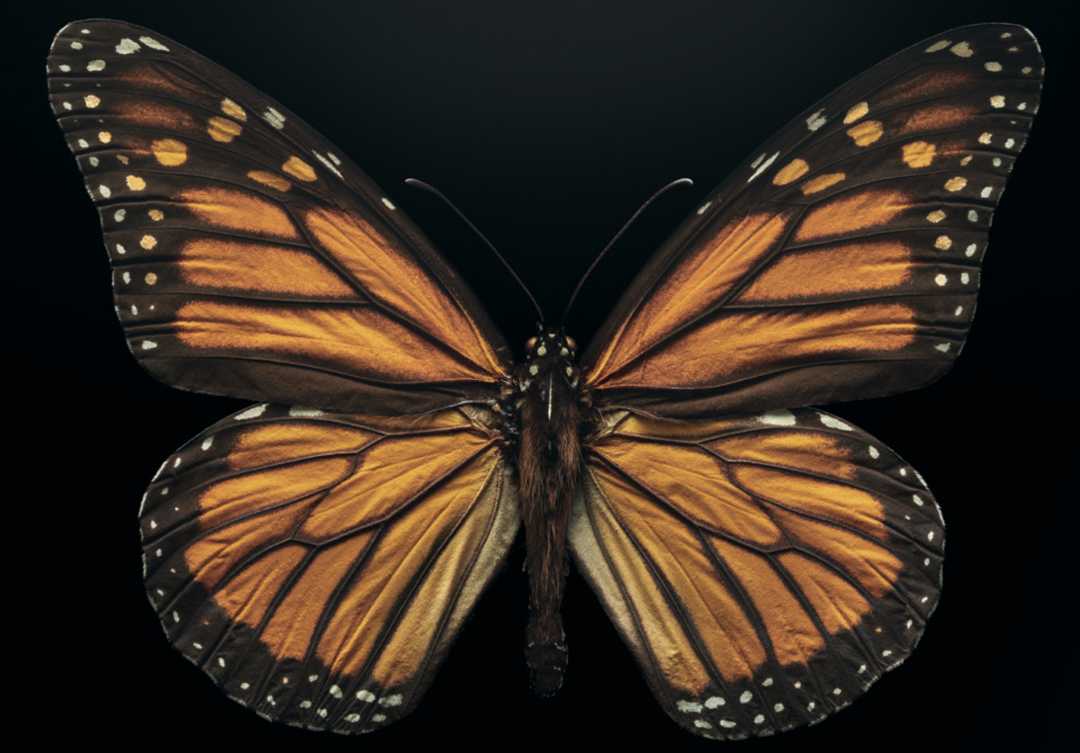
The Alarming Decline of Monarch Butterflies: A North American Icon at Risk
The Monarch butterfly (Danaus plexippus), once a beloved and iconic insect across North America, has been experiencing a continuous and distressing decline in population over recent decades, yet still awaits formal protection. This species, renowned for its spectacular long - distance migrations, has captured the hearts of people with its bright orange and black wings.
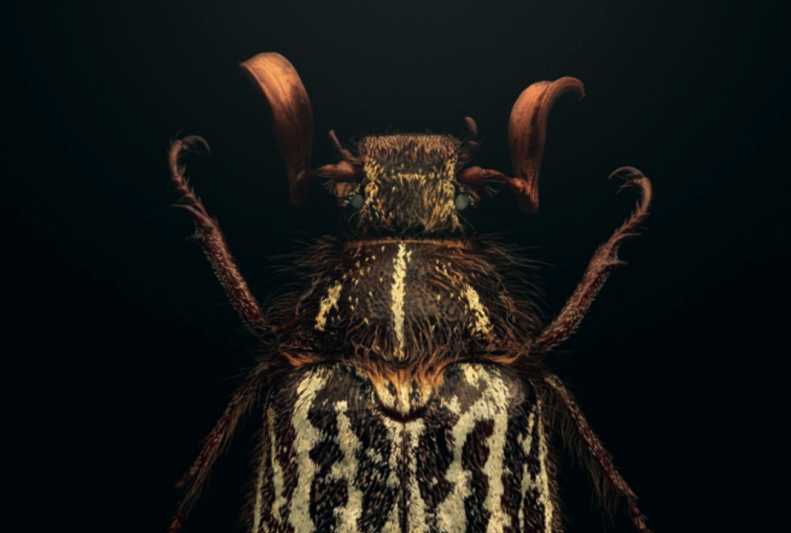
The Elusive White-striped Clouded Chafer: A Rare Californian Insect
The white-striped clouded chafer, scientifically known as Polyphylla variolosa, is a unique and somewhat mysterious insect within the family Scarabaeidae. This species is notable for its distinct appearance and its significance within the ecosystems it inhabits, although much about its current status remains a concern.
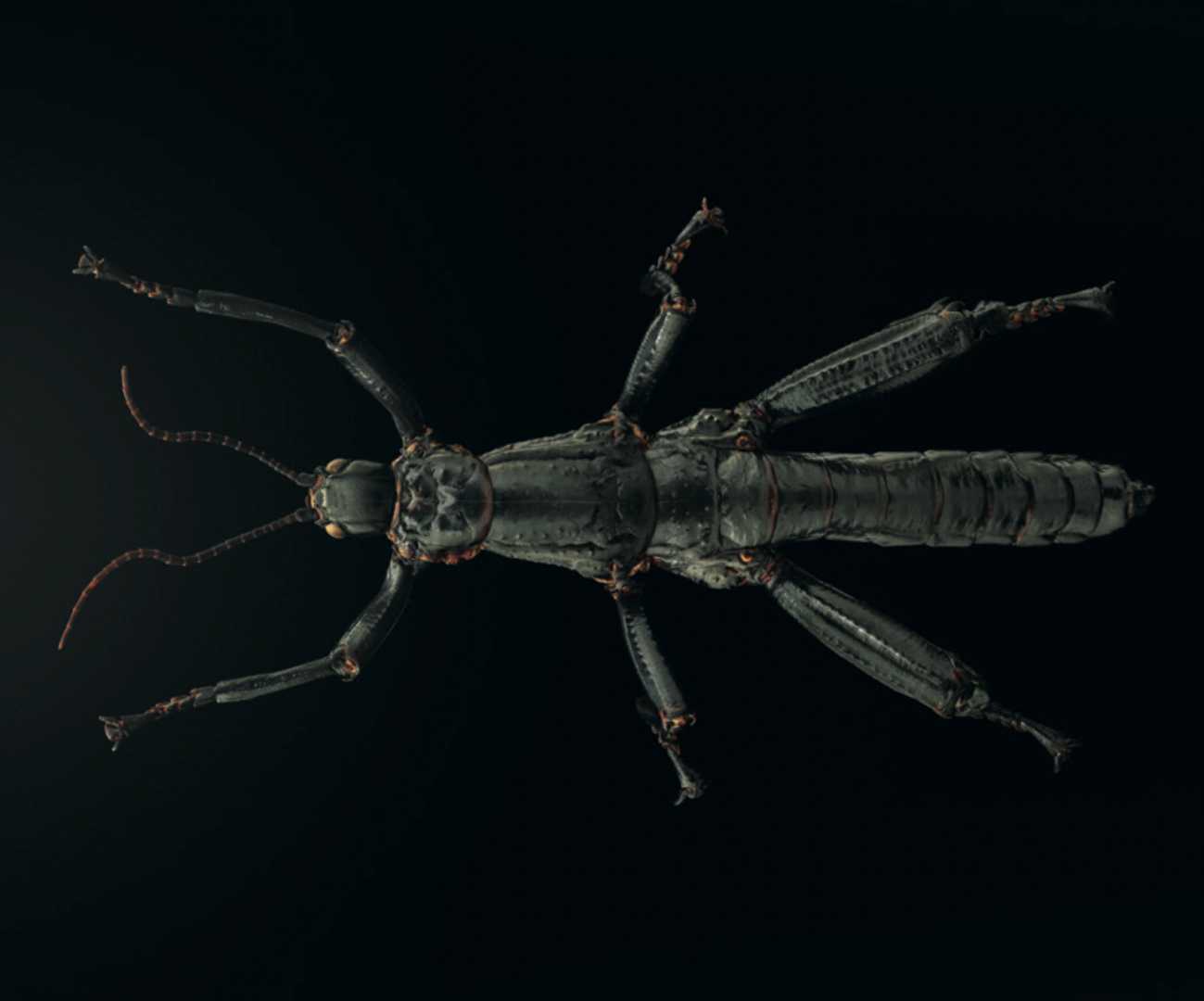
The Resilient Return of the Lord Howe Island Stick Insect
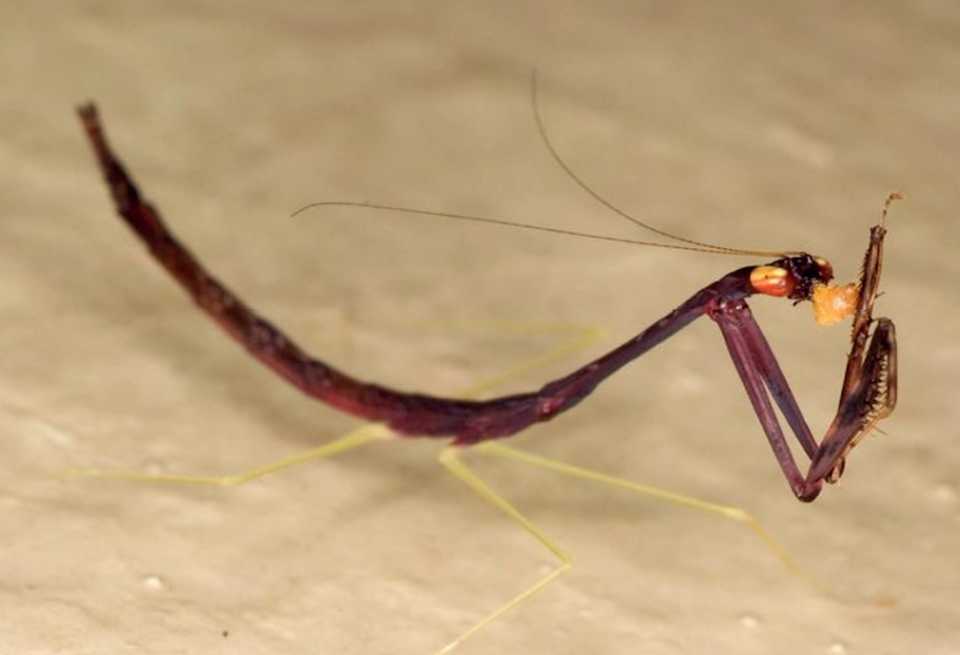
The Lord Howe Island stick insect, scientifically known as Dryococelus australis, is a remarkable insect that has captured the attention of the scientific community and nature enthusiasts alike. This species, often referred to as the "land lobster" due to its large size and robust appearance, has a unique and compelling story of near - extinction and subsequent rediscovery.
Mysterious Declines: American Burying Beetles in the East and European Yellow - Bordered Hornets
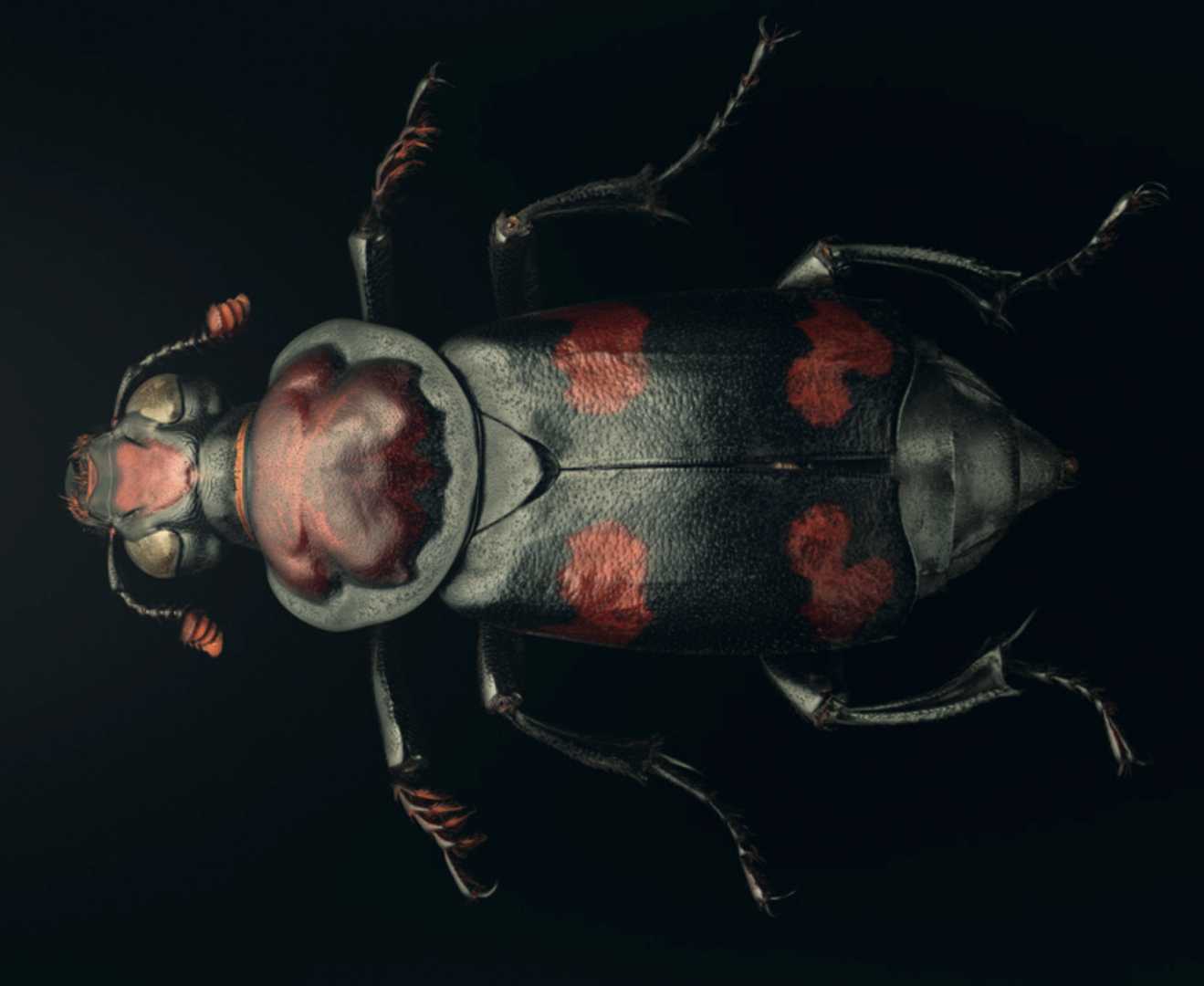
In the vast expanse of North America's eastern regions, the American burying beetle, a large and highly recognizable carrion beetle, was once a common sight. With its distinct black body adorned by orange - red patches on the elytra and pronotum, it played a crucial ecological role as nature's decomposer. These beetles, which can reach lengths of 25 - 45 mm, were known for their unique behavior of burying small animal carcasses, such as those of birds or rodents, to use as a food source for their offspring.
The Yellow - Bordered Hornet: A Wasp of Contrasting Fortunes
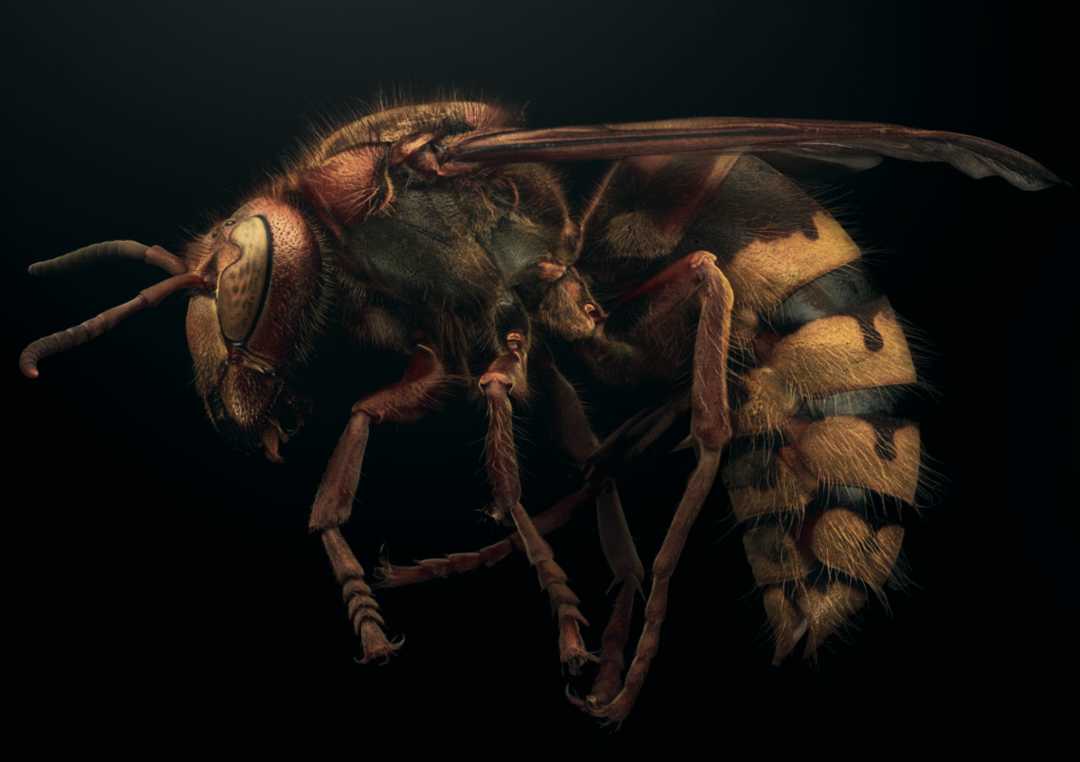
The yellow - bordered hornet, scientifically known as Vespa crabro, is a striking insect that commands attention with its size and distinct appearance. As the largest hornet species in Europe, it has long been a part of the region's ecosystems, but its recent decline in numbers has puzzled researchers.
The Giant Bumblebee: Bombus dahlbomii
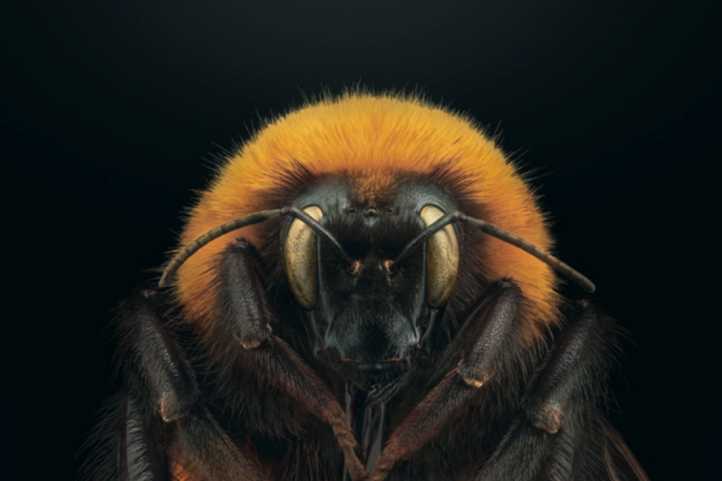
Bombus dahlbomii, often referred to as the "flying mouse", is one of the largest bumblebees in the world. It is the only native bumblebee species in southern South America, occupying a unique ecological niche.
The Banded Dark Fishfly: Nigronia fasciata
The banded dark fishfly, scientifically known as Nigronia fasciata, is a member of the family Corydalidae within the order Megaloptera. Here is a detailed account: